Best Time to Take Probiotics for Women
When is the best time to take probiotics?
The best time to take probiotics is whenever you will actually remember it every single day, because consistency matters far more than the exact hour. Common choices are morning before breakfast or evening before bed, with or without food. Delayed-release capsules ease the food-timing worry by surviving stomach acid, so pick a slot and stick to it.
- Consistency wins: a daily dose you never miss beats perfect timing you cannot sustain.
- Morning or night both work: choose the slot that anchors to an existing habit.
- Delayed-release helps: capsules built to survive stomach acid reduce the with-food debate.

Ask the internet the best time to take probiotics and you will get a confident answer for every hour of the day — first thing on an empty stomach, with breakfast, thirty minutes before a meal, last thing at night. They cannot all be right, and the honest truth is that most of them are chasing the wrong variable. For the vast majority of women, the best time to take probiotics is simply the time you can repeat without fail, because the research is clear that consistency does far more heavy lifting than clock-watching ever will.
That is genuinely good news. It means you do not need a perfect protocol or a phone full of reminders. You need a slot that fits your life and a way to never forget it. Here is how to choose one, and why the timing anxiety you may have picked up online is mostly solving a problem you do not have.
The best time to take probiotics, honestly: consistency over the clock
Start with the principle, because it reframes everything that follows. Probiotics do not work like a painkiller that acts within the hour of a single well-timed dose. They work by regularly topping up and supporting a microbial community, which is a slow, cumulative process. That means the decisive factors are the strain, the dose and how reliably you take it — not whether the capsule went down at 7am or 10pm. A modest dose taken every day for a month will out-work a “perfectly” timed dose you take three times and then forget in the back of a cupboard.
Once you accept that, the timing question stops being about biology and starts being about behaviour. The best time is the one with the highest chance of actually happening, day after day, for months. Everything below is really about stacking the odds in favour of that. If you also want to make sure the dose itself is worth taking, our guide to the best-studied probiotic strains for women covers the strain-and-dose half of the equation.
Morning versus night: a simple comparison
Both camps have a reasonable case, and neither wins outright. The right pick is the one that lines up with a routine you already never skip.
| When | Why people choose it | Watch-outs |
|---|---|---|
| Morning, before breakfast | Easy to anchor to waking up, coffee or brushing teeth; a fresh, undistracted start | Rushed mornings are also the easiest to skip when life speeds up |
| Morning, with breakfast | Food becomes the built-in reminder; gentle on a sensitive stomach | Only helps if you actually eat breakfast every day |
| Evening, before bed | The digestive system is quiet; a calm, predictable end-of-day ritual | Late nights and tiredness can derail the habit |
| With your largest meal | Some guidance suggests a meal buffers the capsule's journey | Matters less with delayed-release formats designed for acid survival |
Notice that every “watch-out” is about reliability, not chemistry. That is the whole point. Pick the row that describes a moment in your day that already happens like clockwork, and attach the capsule to it.

With food or on an empty stomach? Clearing the myth
This is where the most anxious over-thinking happens, and it deserves a calm answer. Yes, some strains have been studied slightly before or alongside a meal, on the reasoning that food can buffer stomach acid and ease the organisms' passage. But that nuance is strain-specific and modest, and it does not apply uniformly to every product on the shelf. For a great many everyday probiotic and fibre capsules, the with-food-or-not question changes far less than the marketing implies.
The sensible rule is a two-step: if your product's label specifies a food instruction, follow it; if it does not, stop agonising and prioritise taking it at the same time each day. A capsule reliably swallowed every evening on an empty stomach beats a capsule you keep meaning to take “with the right meal” and never quite do. Perfect is the enemy of taken.

One capsule, once a day, no fridge
FloraNew is a once-a-day delayed-release capsule, which is about as low-friction as a daily habit gets. See the current official-store pricing and the 60-day guarantee.
See FloraNew & PricingWhy delayed-release capsules quiet the timing debate
A lot of the with-food advice exists to solve one worry: that stomach acid will destroy the organisms before they reach where they are meant to act. Delayed-release capsules are designed to answer that worry directly. Built to hold together through the acidic stomach and open lower down, they take much of the food-timing pressure off, because protecting the contents from acid is engineered into the capsule rather than left to your meal schedule. In practice, that means a delayed-release format gives you more freedom to choose your time on convenience alone. We unpack the mechanics in our explainer on whether delayed-release capsules survive stomach acid.
This is also a good moment to remember that not every women's-health capsule is even trying to be an acid-sensitive live-strain product. Fibre-forward formulas work differently, and if you are unsure which category yours falls into, our comparison of prebiotic fibre versus probiotics will help you read your own label with clearer eyes.
The missed-dose question, and how to never face it
Let us defuse the panic first: if you miss one day, nothing dramatic happens. Do not double up the next day to “catch up” — simply take your normal dose and carry on. The thing that genuinely undermines results is not the occasional slip but a steady pattern of missed days, because the benefits depend on regular intake and quietly fade when the routine lapses. Consistency is not a nice-to-have here; it is the active ingredient.
So the real skill is designing a routine you barely have to think about. The most reliable method is habit anchoring: attach the capsule to something you already do without fail. Keep the bottle next to your toothbrush, your coffee machine or your bedside glass of water, and take it the instant you do that anchor task. Pairing a new habit to an established one is one of the most robust findings in behaviour research, and it beats willpower and phone alarms over the long run.
A simple daily routine that actually sticks
Here is a plan you can set up in two minutes. First, choose your anchor — the single daily action you never skip, whether that is brushing your teeth at night or making morning coffee. Second, physically place the bottle at the scene of that anchor so it is impossible to miss. Third, take the capsule immediately after the anchor, every day, with or without food according to your label. Fourth, give it a fair, uninterrupted month before you judge anything, since the effect is cumulative. That is the entire system, and it will outperform any elaborate timing protocol you cannot keep up.
One more honest note on expectations: because the benefit is maintenance rather than a one-time fix, it continues only while the habit does. That is not a reason for discouragement; it is a reason to make the routine effortless enough that stopping never becomes the path of least resistance.
A few life situations deserve a specific word. If you work shifts or your schedule swings from week to week, anchor the capsule to a portable habit rather than a clock — your first coffee, your commute, your evening wind-down — so “9am” does not quietly become “whenever I remember, which is never.” If you take other supplements or medication, there is no need to build an elaborate timing chart; simply keep your probiotic consistent and follow any specific spacing your pharmacist or doctor advises for a particular medicine. And if you travel often, the no-refrigeration, once-daily format is your friend, because a capsule that lives in your bag and needs no cold-chain is one you can keep taking on the road without a second thought. In every one of these cases the winning move is the same: reduce the number of decisions to zero and let the anchor carry the habit.
Where FloraNew fits into a daily routine
If a low-friction habit is the goal, FloraNew is built along sensible lines: a once-daily, delayed-release capsule that needs no refrigeration, which is about as easy as a supplement routine gets to sustain. Its published materials describe a soluble-fibre base with a probiotic component, so it is a fibre-first daily support product rather than a strain-specific therapeutic, and it makes no disease claim. For the timing question specifically, that once-a-day, no-fridge design is genuinely helpful — there is exactly one dose to remember and no cold-chain to manage, which removes two of the most common reasons people fall off a routine. See the capsule and its guarantee for yourself below, and decide on the details rather than the promises.
Related reading
- Delayed-release capsules: do they survive stomach acid?
- How many CFU does a women's probiotic actually need?
- Prebiotic fibre vs probiotics: which one do you need?
- The best-studied probiotic strains for women's health in 2026
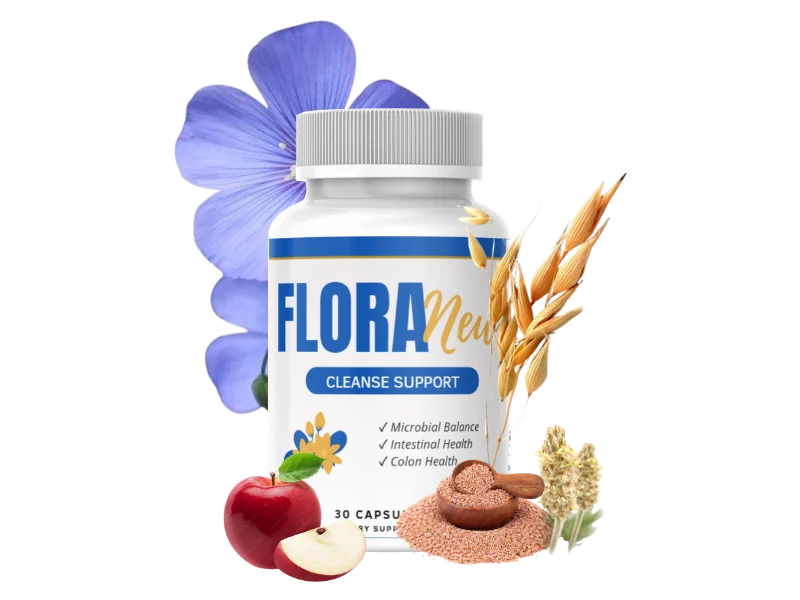
See the capsule in context
FloraNew is a once-a-day delayed-release fibre-and-probiotic capsule. Here is the current official-store pricing and the 60-day money-back guarantee, so you can judge the product on what it actually is.
Get OfferFrequently asked questions
Should women take probiotics in the morning or at night?
Either works, and the research does not crown a clear winner. Morning before breakfast and evening before bed are both popular, sensible choices. What actually predicts results is picking one slot and keeping to it every day. Anchor the dose to a habit you already have, such as brushing your teeth, so you are far less likely to forget it.
Do you take probiotics with food or on an empty stomach?
Guidance varies, and for many products it matters less than people think. Some strains are studied slightly before or with a meal, while delayed-release capsules are designed to survive stomach acid regardless of food. The practical answer is to follow your product's label if it specifies, and otherwise prioritise taking it at the same time daily over agonising about the meal.
Does the time of day really change how well probiotics work?
For most people, far less than the marketing suggests. The evidence points to consistency and the right strain and dose as the big levers, with exact clock time a minor factor. A dose taken reliably every evening will out-perform a perfectly timed morning dose you keep forgetting. Choose a time you can sustain, then let the habit do the work.
What happens if you miss a day of probiotics?
One missed day is not a disaster, so do not double up to compensate. Just take your next dose as normal. The bigger issue is a pattern of missed days, because probiotic benefits depend on regular intake and fade when you stop. If you skip often, the fix is a better habit anchor rather than a bigger dose.