Best Probiotic Strains for Women's Health in 2026
Which probiotic strains matter most for women's health?
There is no single best strain. Benefits belong to specific named strains, not to a genus or species. For women, the most studied are L. rhamnosus GR-1 and L. reuteri RC-14 for urogenital comfort, L. crispatus for a stable vaginal environment, and L. acidophilus for general digestion. In 2026, reviews emphasise diversity over raw counts.
- Strain-specific: a benefit shown for one strain does not transfer to another.
- The four-part name: genus, species, strain code and CFU dose.
- Diversity > count: a bigger number on the box is not a bigger benefit.
Why "probiotic" is the least useful word on the label
Almost every gut-health box sold to women in 2026 carries the word probiotic, and on its own that word tells you close to nothing. The internationally used definition of a probiotic is a live micro-organism that, in an adequate amount, confers a health benefit on the host. Notice what that definition does not say: it does not say which organism, in what amount, or for which benefit. Those three details are the entire story, and they live several taxonomic levels below the word on the front of the box.
The reason this matters so much is that probiotic evidence does not generalise. A well-run trial can show a real effect for one precisely identified strain, and that result belongs only to that strain. It does not spread outward to cousins that share a species name, and it certainly does not spread to a whole genus. This is the single most useful idea to carry into a supplement aisle: the effect lives at the strain, and everything above the strain is marketing.
Genus, species, strain: how the name actually works
A microbial name is built from the general to the specific, and reading it correctly is a skill worth ten minutes. Take Lacticaseibacillus rhamnosus GR-1. The first word, Lacticaseibacillus, is the genus, a broad family. The second word, rhamnosus, is the species, a narrower group inside that family. The final token, GR-1, is the strain designation, and it identifies one specific, reproducible culture that a laboratory can hold, grow and test. Only that last token is tied to the published research.
You may also see the genus abbreviated, as in L. rhamnosus GR-1, and you will notice that many familiar Lactobacillus species were reclassified into new genera such as Lacticaseibacillus and Limosilactobacillus a few years ago. The renaming can be confusing, but the strain code did not change, and the strain code is what you look up. A label that stops at genus and species, or worse at a phrase like "multi-strain Lactobacillus blend," has handed you a name with no way to check it.
The strains women's-health research keeps returning to
A handful of strains appear again and again in research focused on women. Being studied is not a promise of a result for any individual, and none of these strains diagnose, treat, cure or prevent any condition. What follows is a map of where the research attention has gone, so you can read a label with context rather than hope.
Lactobacillus rhamnosus GR-1 and Lactobacillus reuteri RC-14
This pair is the most studied combination in the women's urogenital space. The strains have been investigated for their ability to survive digestion, reach the relevant tissues and support the balance of the resident microbial community. They are usually studied together at specific doses, which is a good illustration of the strain-and-dose principle: the evidence attaches to that particular partnership at that particular amount, not to any two Lactobacillus strains thrown into a capsule.
Lactobacillus crispatus
Crispatus draws attention for a different reason. In microbiome surveys, a vaginal community dominated by L. crispatus is repeatedly associated with a stable, acidic and protective environment. That is an association about the ecosystem, and researchers are still working out how well swallowing or applying a crispatus strain reshapes that community in practice. It is a genuinely promising area and an honestly unfinished one, which is exactly the kind of nuance a sales page tends to flatten. The step people usually skip is the mechanism itself: how vaginal probiotics actually travel from a swallowed capsule to the vaginal microbiome explains why a crispatus result is a statement about an ecosystem rather than about a dose.
Lactobacillus acidophilus
Acidophilus is the household name of the category, and it is genuinely well characterised, but the same rule applies: specific acidophilus strains have specific evidence, most of it in general digestive comfort and regularity rather than anything more dramatic. It is a reasonable, well-tolerated workhorse when a named strain and dose are given, and an empty gesture when the label just prints the species and stops.
"Contains Lactobacillus" is about as informative as "contains vegetables." The evidence lives two levels further down, in the strain code and the dose.
Why diversity, not raw counts, is the 2026 story
For years the marketing arms race was about the number on the box: 10 billion, then 50 billion, then 100 billion colony-forming units. The more careful reading in 2026 reviews has shifted the emphasis. A larger CFU number is not automatically a larger benefit; past the dose a strain was actually studied at, extra billions mostly add cost and, for some people, extra wind. What consistently tracks with a resilient gut is diversity, the richness and evenness of the whole community, rather than a towering dose of one or two organisms.
That reframing has two practical consequences. First, a product that names a modest dose of a well-studied strain can be a smarter buy than one boasting an enormous count of unnamed strains. Second, the everyday levers that build diversity, a varied plant-rich diet, fermentable fibre, sleep and managed stress, do more of the heavy lifting than any single capsule. A supplement is a nudge to an ecosystem you mostly feed with food.
More strains versus the right strains
| What the label shows | How much weight to give it |
|---|---|
| Named strain code plus a dose that matches its research | Strong. You can look it up and check it. |
| Genus and species only, no strain code | Weak. No way to verify what it should do. |
| A dozen strains, none individually dosed | Weak. A long list is not the same as evidence. |
| A very high CFU count with no strain named | Weak. A big number is not a benefit. |
Strain literacy is also the only defence against the bundled products that dominate this aisle, where a handful of Lactobacillus strains arrive packaged with cranberry and a prebiotic fibre in one bottle; what a URO probiotic label really tells you is the clearest worked example of reading one line by line.
Where a fibre-first product like FloraNew fits
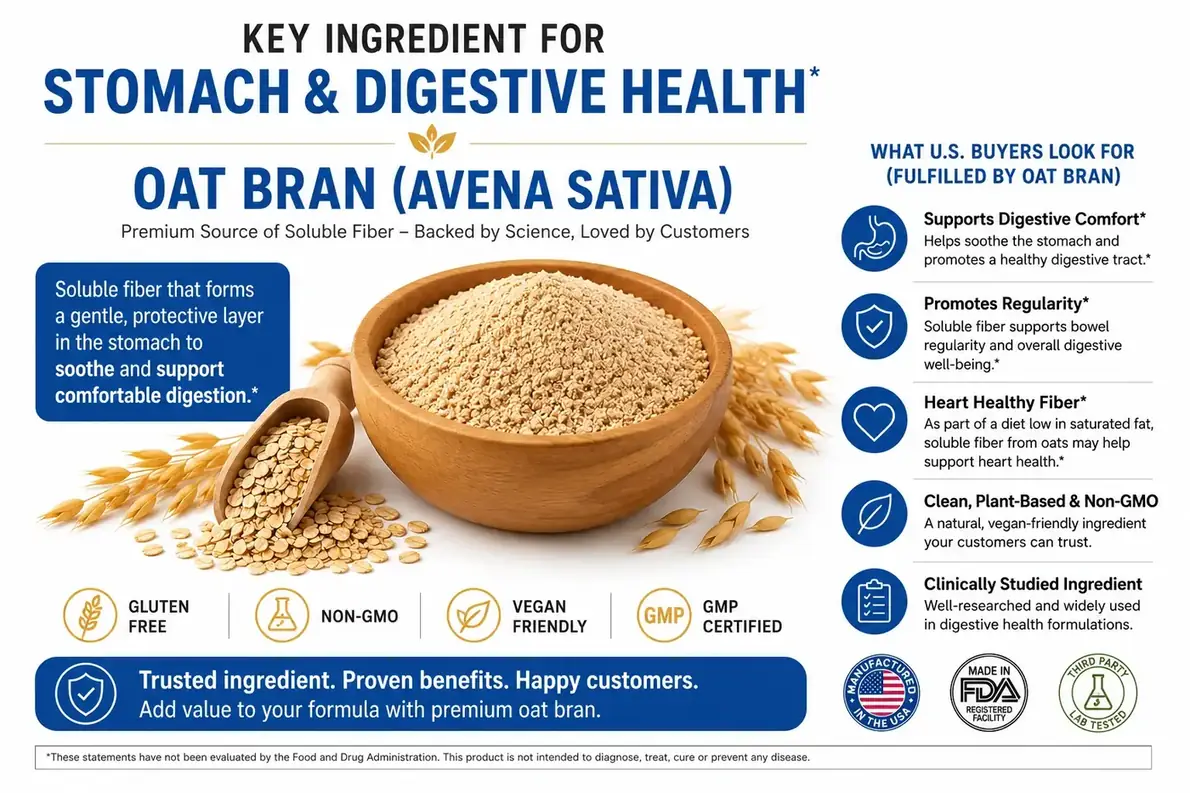
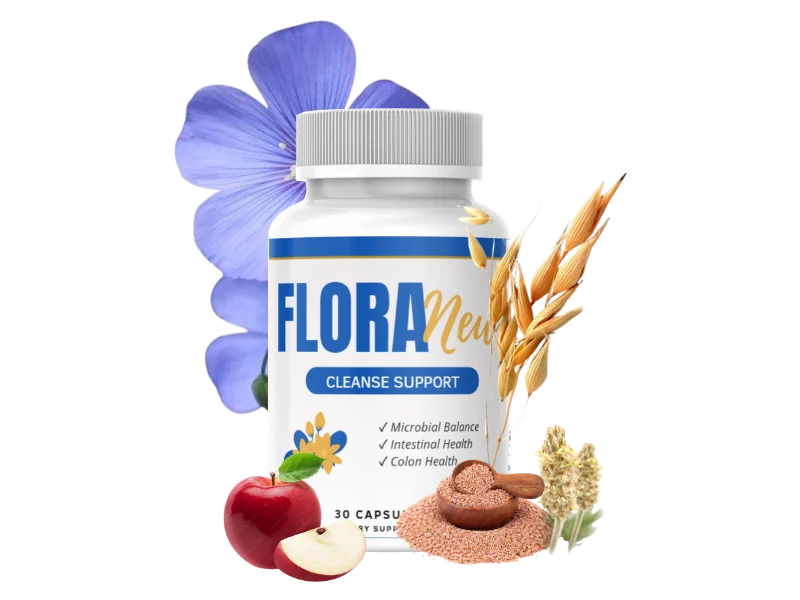
It is worth being clear about where FloraNew sits in this picture, because it is not the same kind of product as a strain-specific probiotic. FloraNew's own published ingredient sheets document soluble fibres such as oat bran and apple pectin, which makes it a prebiotic-leaning, fibre-first capsule. Its FAQ separately mentions a probiotic blend, but gives no genus, species, strain code or CFU count, which is exactly the pattern this article says to treat as unverified. Read as a fibre product, its role is to feed the community you already have, and that is a reasonable, low-drama way to support diversity. Read as a probiotic, the label does not give you the four things you would need to judge it. For the deeper version of that distinction, see prebiotic fibre versus probiotics.
See the capsule in context
FloraNew is a once-a-day delayed-release fibre capsule. Here is the current official-store pricing and the 60-day guarantee.
Get OfferRelated reading
- How many CFU does a woman's probiotic need?
- Probiotics and vaginal pH balance for women
- Spore-based probiotics vs Lactobacillus: what is the difference?
Frequently asked questions
Do probiotic strains matter or just the species?
The strain matters. Two strains of the same species can behave very differently, and a benefit shown for one strain does not transfer to another. A trial on Lacticaseibacillus rhamnosus GR-1 says nothing about a different L. rhamnosus, and nothing at all about Lactobacillus as a genus. If a label gives you only a genus and species, you cannot look up what it was studied to do.
Which strains are studied for vaginal health?
The most studied combination is Lactobacillus rhamnosus GR-1 with Lactobacillus reuteri RC-14. Lactobacillus crispatus is studied because a crispatus-dominant community is associated with a stable, protective vaginal environment. Being studied is not the same as being proven for you, and none of these strains treat, cure or prevent any condition. Discuss symptoms with a clinician rather than self-treating.
Are more strains in a product always better?
No. A long strain list looks impressive but does not mean more benefit. What matters is whether the specific strains are named, dosed at a level matching their research, and relevant to your goal. A single well-studied strain at the right dose can be a better choice than a blend of a dozen unnamed strains at token amounts. Count the evidence, not the strains.
How do I read a strain name on the label?
A full strain name has four parts: genus, species, strain designation and dose. For example, Lacticaseibacillus rhamnosus GR-1 at a stated CFU count. The genus and species are the italic Latin words; the strain is the alphanumeric code after them, such as GR-1, RC-14 or GG. The CFU count should be guaranteed through the end of shelf life, not only at the time of manufacture.