Vaginal Probiotics: How They Actually Work
How do vaginal probiotics work?
Vaginal probiotics work by reinforcing the Lactobacillus species that dominate a healthy vaginal microbiome. Those bacteria make lactic acid that holds pH in the acidic 3.8 to 4.5 range, and some make hydrogen peroxide, together making the environment less hospitable to unwelcome organisms. They support balance rather than treat anything.
- Acid guard: Lactobacillus lactic acid keeps vaginal pH low and protective.
- Two routes: direct vaginal delivery, or oral strains that migrate from the gut.
- Support, not reset: the effect holds while you take them and fades when you stop.
If you have wondered whether vaginal probiotics are science or marketing, the honest answer is: both, depending on the bottle. The underlying biology is real and well described, but the gap between "this is how the vaginal microbiome works" and "this specific product does what its label implies" is where most of the confusion lives. This article closes that gap. It explains, step by step, how vaginal probiotics work in the body, which route the bacteria actually take, and how to tell a product grounded in the science from one that just borrows the vocabulary.
We will keep one guardrail throughout: probiotics support a healthy environment, they are not a treatment for any condition, and symptoms belong to a clinician, not a supplement aisle. With that frame set, let us start where the science does — with the ecosystem itself.
The vaginal microbiome, in plain terms
A healthy vaginal environment in women of reproductive age is not sterile and it is not a free-for-all. It is a managed ecosystem, and the managers are Lactobacillus species. In most healthy women, one or a few Lactobacillus strains dominate the community, crowding out other organisms simply by being numerous, well-fed and well-adapted to the space. When people say a microbiome is "balanced," what they usually mean in this context is "Lactobacillus-dominant."
That dominance is not passive. These bacteria actively shape their surroundings, and the single most important thing they do is control acidity. Understanding that one job is the key to understanding everything a vaginal probiotic is trying to do.
Job one: lactic acid and the pH 3.8 to 4.5 window
Lactobacillus species ferment sugars and produce lactic acid as a by-product. That acid is what keeps the vaginal pH in the tight, acidic range of roughly 3.8 to 4.5. That number matters enormously, because most of the organisms associated with odour, discomfort and imbalance prefer a less acidic, more neutral environment. By keeping the local pH low, a thriving Lactobacillus community makes the space genuinely inhospitable to those competitors.
Some Lactobacillus strains add a second layer, producing hydrogen peroxide and other antimicrobial compounds that further discourage unwelcome organisms. The overall picture is an environment that defends itself chemically as long as the protective bacteria are numerous and active. When that dominance slips — through antibiotics, hormonal change, or other disruptions — pH can drift upward and the door opens to the imbalances linked with conditions like bacterial vaginosis, yeast overgrowth and persistent odour. Our deeper dive into probiotics and vaginal pH balance unpacks that acid-guard mechanism in more detail.
How probiotics fit into that system
The probiotic hypothesis follows directly from the biology above. If low Lactobacillus is associated with more imbalance, then adding well-chosen Lactobacillus strains might help reinforce the protective, acid-producing community. That is the whole logic in one sentence: vaginal probiotics do not invent a new defence, they support and add to the one your body already runs.
It is worth being precise about what "support" means here, because marketing loves to inflate it. A probiotic supplies live bacteria that, if they survive and establish, can contribute to lactic-acid production and to simple competition for space and resources. That is a plausible, mechanistically sensible form of help. It is not the same as sterilising, curing or permanently rewriting anything, and any product that implies otherwise has left the science behind.

The gut-to-vagina route: how an oral pill can matter
Here is the question that trips up most shoppers: if the microbiome you want to support is in the vagina, how can a capsule you swallow possibly reach it? It is a fair question, and the answer is one of the more interesting pieces of the science.
The vagina and the gut are anatomically close, and research describes a gut-to-vagina migration pathway by which certain bacterial strains, after transiting the digestive system, can reach and colonise the vaginal area. This is not true of every probiotic strain — it is strain-specific — but it is the reason some vaginal-health strains are deliberately studied as oral capsules. The most documented examples are Lactobacillus rhamnosus GR-1 and Lactobacillus reuteri RC-14, which have been researched specifically for the oral route to support vaginal flora.
The practical upshot is important: an oral vaginal probiotic is not a contradiction, but its plausibility rests entirely on using strains actually studied for that route. A random Lactobacillus with no strain code cannot claim the gut-to-vagina evidence just because it is taken by mouth. To match products to strains properly, our guide to the best-studied probiotic strains for women's health lists which strains have the oral-route research behind them.
A once-daily capsule you can actually keep up
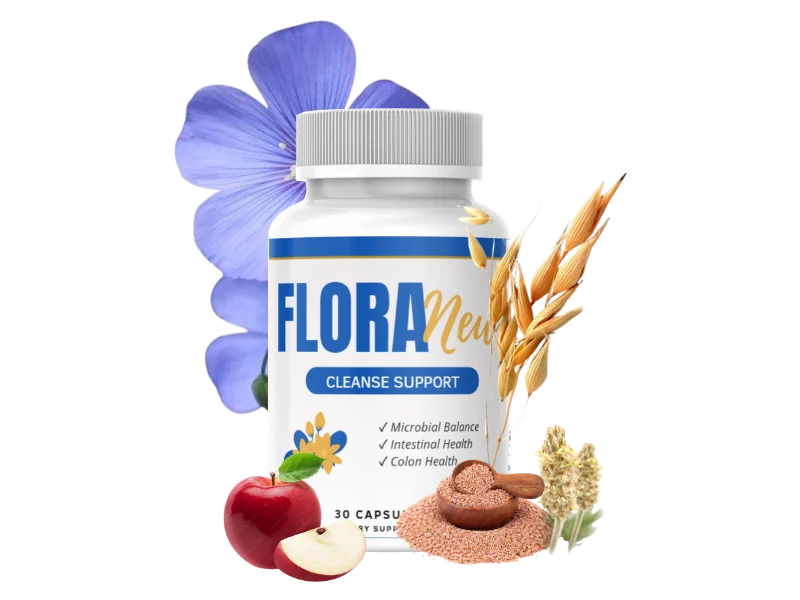
Because the effect depends on consistency, an easy oral format matters. FloraNew is a once-a-day delayed-release capsule — see the current official-store pricing and its 60-day guarantee.
Get OfferWhy delivery survival is part of "how they work"
There is a hidden step between swallowing a pill and any bacteria doing anything: they have to survive. Stomach acid is a real obstacle, and delicate strains in a plain capsule can lose much of their live count before reaching the gut. This is why the mechanism and the format are inseparable. A brilliant strain that dies in the stomach delivers no benefit, no matter how good the research paper looked.
Two design features help. Shelf-stability keeps the live count intact on the shelf without refrigeration, and delayed-release delivery aims to open the capsule lower in the digestive tract, past the harshest acid. Neither guarantees colonisation, but both improve the odds that live bacteria arrive where they can act. When you evaluate any oral vaginal probiotic, treat delivery survival as part of "does this work," not an afterthought.
Objection: "isn't this just yogurt in a pill?"
A common and reasonable objection is that food already contains Lactobacillus, so why pay for a supplement. The distinction is dose and strain. The Lactobacillus in a random yogurt is not necessarily a strain studied for the vaginal environment, and the amount that survives to matter is unpredictable. Food is food; it is a fine part of a diet, but it is not a delivery system engineered around a specific studied strain at a specific dose. The value of a well-made probiotic, if there is any for you, comes precisely from the specificity that food lacks.
Objection: "will it reset me for good?"
Another frequent hope is that a course of probiotics will permanently "reset" the microbiome. This is where honesty matters most. The evidence points to support while you take them, with the effect tending to fade after you stop. That is not a flaw so much as the nature of the system — it is a living community under constant pressure from hormones, hygiene, antibiotics and daily life. Hormonal shifts in particular reshape the environment, which is why the wider hormone picture, including the estrobolome and how gut bacteria interact with estrogen, is part of the same story. The realistic model is ongoing support, not a one-time cure, and any product marketed as a permanent reset is overpromising.
Oral pills versus suppositories, side by side
Both formats appear in the research, and each has a logic. Here is the honest comparison.
| Format | How it is meant to work | Trade-off |
|---|---|---|
| Vaginal suppository | Delivers strains directly to the vaginal area | More direct route, but less convenient and harder to sustain daily |
| Oral capsule | Relies on gut-to-vagina migration of studied strains | Easy daily habit, but only plausible with oral-route strains |
| Diet (yogurt, kefir) | Supplies some Lactobacillus in food form | Unpredictable strain and dose; supportive, not targeted |
Because probiotics work over weeks and depend on consistency, the format you will actually keep up with is a real part of the equation. For many women, an easy once-daily oral capsule wins on adherence, provided it uses strains with oral-route evidence.
How to choose, now that you know the mechanism
Understanding how vaginal probiotics work turns shopping into a short checklist. Look for named, studied strains down to the strain code; a CFU count guaranteed at expiry rather than at manufacture; a delivery format built to survive stomach acid; and a once-daily habit you can sustain for the weeks the science requires. If a bottle satisfies those, it is at least plausibly connected to the research. If it does not, no amount of on-label enthusiasm changes the verdict. For a full buyer's rubric you can apply in the aisle, see our guide to the best probiotics for vaginal health in 2026. It is also worth knowing that the shelf-friendly name for this same mechanism is a pH pill; what pH balance pills for women really are saves you paying a premium for relabelled Lactobacillus.
Where FloraNew fits in this picture
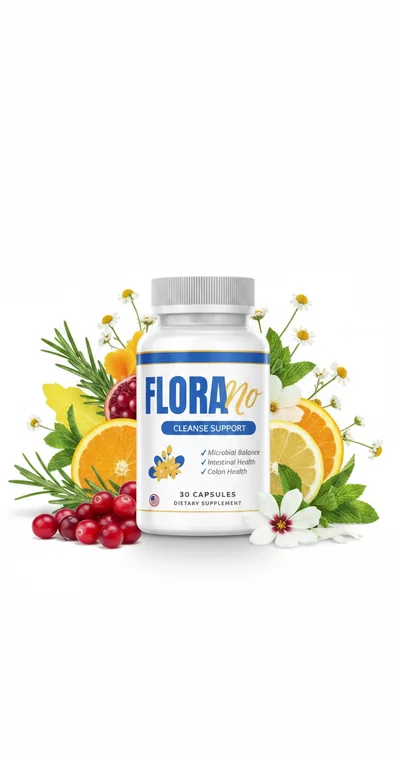
To be straight about it, FloraNew is documented by its own ingredient sheets as a soluble-fibre, prebiotic-leaning daily capsule — the oat-bran and apple-pectin family — delivered in a once-a-day delayed-release format. Its FAQ separately lists a probiotic blend, but without a genus, species, strain code or CFU count, which is exactly the information this article says you need to connect a product to the vaginal-flora research. Read honestly, FloraNew's strengths are its convenient daily format and its fibre base that helps feed the community you already have; it is not presented here as a strain-specific vaginal probiotic and makes no vaginal-health claim we would repeat. Judge it, like any product, against the mechanism you now understand.
Related reading
- Best probiotics for vaginal health (2026 guide)
- Probiotics and vaginal pH balance for women
- The estrobolome: gut bacteria and estrogen in women
- The best-studied probiotic strains for women's health in 2026

See a once-daily capsule in context
If a simple, sustainable daily habit is what makes probiotics work, format matters. See how FloraNew's delayed-release capsule is priced and backed by its 60-day guarantee.
Get OfferFrequently asked questions
How do vaginal probiotics work in the body?
Vaginal probiotics work by adding to the Lactobacillus species that dominate a healthy vaginal microbiome. These bacteria produce lactic acid, which keeps the local pH in the acidic 3.8 to 4.5 range, and some produce hydrogen peroxide and other compounds that make it harder for unwelcome organisms to take hold. The idea is to reinforce a protective environment rather than to treat any condition.
Do oral probiotics reach the vagina?
Research suggests certain strains can travel through the gut and reach the vaginal area by the gut-to-vagina migration pathway, which is why some vaginal-health strains are studied as oral capsules rather than suppositories. The best-documented oral-route strains are Lactobacillus rhamnosus GR-1 and Lactobacillus reuteri RC-14. The effect is strain-specific, so it does not apply to every oral probiotic.
Are vaginal probiotic pills better than suppositories?
Neither is universally better. Suppositories deliver strains directly to the vaginal area, while oral pills rely on gut-to-vagina migration but are far easier to take every day. Because consistency over weeks is part of how probiotics work, the more convenient oral format is often more realistic to sustain. Match the format to the strain research and to what you will keep up with.
Can vaginal probiotics reset the microbiome?
Reset is the wrong word. Probiotics can support and reinforce an existing protective community while you take them, but they do not permanently rewrite the microbiome, and the effect generally fades once you stop. Think of them as ongoing support for a balanced environment rather than a one-time reset button, and give any product several weeks of daily use before judging it.