D-Mannose for UTIs: Does It Really Work?
Does D-mannose really work for UTIs?
The honest answer on D-mannose for UTIs is "mixed." Early small trials suggested a large drop in recurrence, but the big 2024 Hayward study of 598 women found no meaningful benefit, and 2025 guidance says it may not be effective alone. It is best framed as one optional part of a prevention routine, never a treatment.
- Mechanism: D-mannose may block E. coli from sticking to the bladder wall.
- Evidence: promising early data, but the largest recent trial was disappointing.
- Not a cure: an active UTI needs a clinician, not a supplement.
Ask around any group of women who get recurrent urinary infections and someone will swear by D-mannose for UTIs. It is one of the most searched supplements in women's health, it is cheap, and it comes wrapped in a tidy, believable story about how it works. But popularity and a good mechanism are not the same as proof, and in 2026 the evidence for D-mannose looks noticeably less settled than it did a few years ago. This article gives you the honest version: what D-mannose is, the science behind the hype, what the trials actually found, and where it reasonably fits — without overclaiming and without pretending it is a cure.
We will be transparent about the disappointing data as well as the encouraging data, because you deserve both. And we will keep one line bright throughout: nothing here treats an active infection. If you have symptoms now, that is a conversation with a clinician, full stop.
What D-mannose is and the theory behind it
D-mannose is a simple sugar, closely related to glucose, that occurs naturally in fruits like cranberries and apples. You take it as a powder or capsule, and unlike most sugars it is largely not metabolised for energy — much of it passes through and is excreted in the urine. That last detail is the whole basis of the theory.
Most uncomplicated UTIs are caused by Escherichia coli (E. coli) that travel up the urethra and attach to the bladder wall using tiny finger-like projections called fimbriae. Those fimbriae latch onto mannose-shaped receptors on the bladder lining. The elegant idea behind D-mannose is that flooding the urine with free mannose gives the bacteria something else to grab: E. coli bind the loose sugar instead of the bladder wall, and are then flushed out in urine before they can establish. It is a genuinely clever, mechanistically plausible story. The question this article exists to answer is whether that plausible story holds up in real trials.
The dose the research actually uses
If you are going to consider D-mannose at all, the dose matters, because the marketing rarely matches the studies. Across the prevention trials, the common dose is about 2 grams — that is 2,000 milligrams — per day, sometimes taken all at once and sometimes split. Crucially, there is no good evidence that piling on more delivers more protection, so mega-doses are spending without a payoff. And because the whole mechanism is about prevention, the dose is studied for keeping infections from recurring, not for knocking out an infection you already have. That distinction shapes everything below.
The encouraging early evidence
For several years, the D-mannose story looked strong. The most-cited early work was a set of small randomised and observational studies suggesting that daily D-mannose could substantially reduce how often UTIs recurred in women prone to them — with some reports pointing to roughly a 58 percent reduction in recurrence, numbers that rivalled older preventive approaches. Those results, combined with the clean mechanism and excellent tolerability, are exactly why D-mannose spread so fast through word of mouth and supplement shelves.
It is worth honouring what those studies got right: they were testing a real, specific hypothesis, and the signal they found was encouraging. The problem was never that the early data was fraudulent. The problem, as so often in supplements, was that the early studies were small, and small studies can flatter a treatment. The honest reader files the 58 percent figure under "promising early result," not "established fact," and waits for the bigger test.
A 58 percent reduction in a small trial and no meaningful benefit in a large one is not a contradiction — it is exactly what happens when a hopeful early signal meets a properly powered study.
The disappointing 2024 trial that changed the picture
The bigger test arrived, and it was sobering. The 2024 Hayward trial was a large, well-designed randomised study of 598 women with recurrent UTIs — far larger than the earlier work — and it found no meaningful benefit from D-mannose compared with placebo for reducing recurrence. When a properly powered trial fails to reproduce an effect that small studies suggested, that is a serious signal that the earlier optimism may have been inflated.
Guideline bodies took note. By 2025, the American Urological Association's guidance reflected the new reality, stating in effect that D-mannose may not be effective on its own for preventing recurrent UTIs. That is a meaningful shift in tone from the earlier enthusiasm, and any honest 2026 write-up has to lead with it rather than bury it. The current, defensible reading is: the mechanism is real, the early hope was understandable, but the strongest evidence to date does not support D-mannose as a reliable standalone preventive.
Think in routines, not single silver bullets
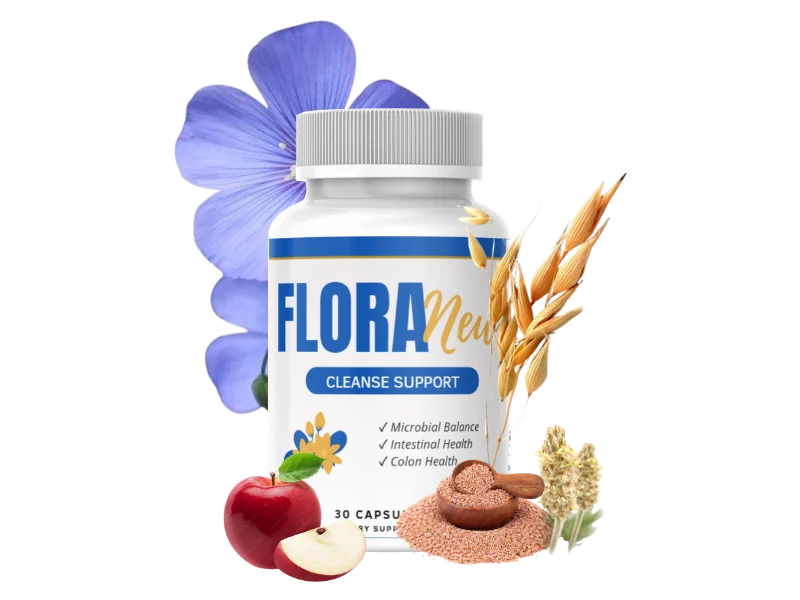
No single supplement is a shield. FloraNew is a once-a-day delayed-release capsule you can build a simple daily habit around — see the current official-store pricing and its 60-day guarantee.
Get OfferHow to hold both facts at once
It would be easy to swing from "miracle" to "useless," but neither extreme is accurate. Here is the balanced position. The mechanism by which D-mannose interferes with E. coli adhesion is real and interesting. Some women report they find it helpful, and it is inexpensive and very well tolerated. At the same time, the best current evidence does not support it as a dependable, on-its-own way to prevent recurrent UTIs, and it is not a treatment for an active infection. Both of those things are true, and a good decision lives in the tension between them rather than in either slogan.
Where probiotics and a broader routine come in
Because no single ingredient is a shield, the more sensible frame is prevention as a routine rather than a search for one magic pill. Alongside D-mannose, several other levers get discussed: hydration to flush the tract more often, sensible hygiene habits, cranberry, and probiotics aimed at supporting protective flora. The probiotic angle is a separate mechanism from D-mannose — where D-mannose targets bacterial adhesion, probiotics aim to reinforce the Lactobacillus community that helps keep the urogenital environment balanced. For the honest state of that research, see our review of probiotics for UTI prevention and what the evidence says, which is promising but, like D-mannose, not definitive.
This is exactly why D-mannose and probiotics are so often combined: they target different proposed pathways, so pairing them is a reasonable prevention experiment for some women rather than a redundancy. If you are weighing the cranberry option too, our companion guide to cranberry supplements for UTI prevention covers where that fits, and the broader logic of supporting protective flora is laid out in our guide to the best probiotics for vaginal health in 2026. The theme across all of them is the same: modest, complementary levers, discussed with a clinician, not a single cure.
Safety and side effects, honestly
One thing D-mannose has consistently going for it is a clean safety profile. In studies it is generally well tolerated, with fewer than 10 percent of users reporting mild effects, most commonly loose stools or bloating, and usually at higher doses. There is no signal of serious harm in typical use. The one genuine caution is that D-mannose is a sugar, so anyone managing blood sugar should check with a clinician before using it, and as with any supplement, pregnancy, nursing or regular medication are reasons to ask a doctor first. Good tolerability, though, is not the same as good efficacy — a supplement can be harmless and still not do much, which is roughly where the strongest evidence currently leaves D-mannose.
The evidence at a glance
| Question | Honest 2026 answer |
|---|---|
| Is the mechanism plausible? | Yes — it may block E. coli from adhering to the bladder wall |
| Did early studies look good? | Yes — some suggested roughly a 58% drop in recurrence |
| Did the big 2024 trial confirm it? | No — the 598-woman Hayward trial found no meaningful benefit |
| What does current guidance say? | 2025 AUA guidance: may not be effective on its own |
| Is it a treatment for an active UTI? | No — see a clinician for any active infection |
| Is it safe and well tolerated? | Generally yes — under 10% report mild bloating or loose stools |
Where FloraNew fits — and where it does not
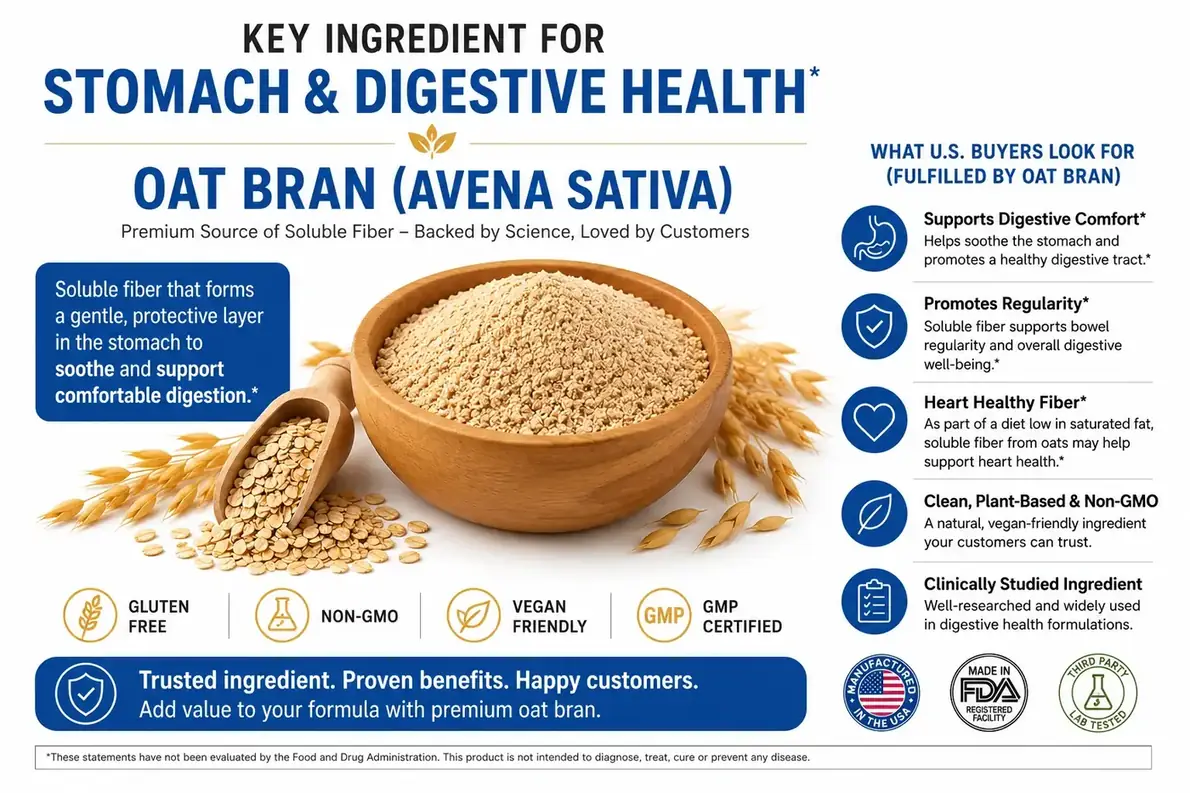
To be straight about it, FloraNew is not a D-mannose product and is not a urinary-tract product, and nothing here should be read as a UTI claim for it. FloraNew's own ingredient sheets document a soluble-fibre, prebiotic-leaning daily capsule — the oat-bran and apple-pectin family — in a once-a-day delayed-release format, with a separately listed probiotic blend that does not state strain codes or CFU. Where it is genuinely relevant to this topic is the mindset, not the mechanism: prevention works as a consistent daily routine, and a simple once-daily capsule is the kind of habit that fits into one. If your real question is UTI prevention, treat D-mannose as one optional, modestly evidenced lever, keep it in the prevention column, and never let it delay care for an infection you already have.
Related reading
- Cranberry supplements for UTI prevention: the evidence
- Probiotics for UTI prevention in women: what the evidence says
- Uro-probiotics explained for women
- Vaginal health supplements: a buyer's guide

Build a routine you can keep
Prevention is a daily habit, not a single pill. See how FloraNew's once-daily delayed-release capsule is priced and backed by its 60-day guarantee, then decide with your clinician.
Get OfferFrequently asked questions
Does D-mannose actually prevent UTIs?
The evidence is genuinely mixed. Earlier, smaller studies suggested D-mannose might cut recurrence by around 58 percent, but the much larger 2024 Hayward trial of 598 women found no meaningful benefit, and the 2025 AUA guidance now says D-mannose may not be effective on its own. Honestly read, it is best seen as one optional part of a broader prevention routine, not a proven standalone shield against UTIs.
How much D-mannose should I take for a UTI?
The dose used in most trials is about 2 grams, meaning 2,000 milligrams, taken once daily, though some protocols split it. Higher doses have not been shown to add benefit. D-mannose is studied for prevention rather than for clearing an active infection, so if you have current UTI symptoms the right step is to contact a clinician, not to increase the dose yourself.
Can I take D-mannose with probiotics?
Yes, the two are commonly combined because they target different proposed mechanisms. D-mannose is thought to stop E. coli from sticking to the bladder wall, while probiotics aim to support protective vaginal and gut flora. Pairing them is a reasonable prevention strategy for some women, but neither replaces medical care for an active infection. Talk to your clinician about your own situation.
Are there side effects to D-mannose?
D-mannose is generally well tolerated in studies, with fewer than 10 percent of users reporting mild effects, most often loose stools or bloating at higher doses. Because it is a sugar, people managing blood sugar should be cautious and ask a clinician first. As with any supplement, discuss it with your doctor if you are pregnant, nursing or taking medication.