Cranberry Supplements for UTI Prevention
Do cranberry supplements prevent UTIs?
A cranberry supplement for UTIs works by delivering concentrated proanthocyanidins (PACs) that may stop E. coli from sticking to the bladder wall. A 2023 Cochrane review found cranberry products modestly reduce recurrent UTIs in women. Look for a standardized 36 mg PAC daily dose, and pair it with hydration.
- Active compound: PACs (proanthocyanidins), not vitamin C, do the anti-adhesion work.
- Effective dose: supplements standardized to about 36 mg PAC per day; juice rarely reaches this.
- Prevention only: cranberry is studied for reducing recurrence, never as a treatment for an active infection.
If you have ever finished a course of antibiotics for a urinary tract infection only to feel that familiar warning twinge a few weeks later, you already understand why prevention is the real prize. Recurrence is the pattern that wears women down, and it is the reason the cranberry aisle exists at all. The honest question is not whether cranberry is famous — it is whether a cranberry supplement for UTIs does anything a glass of juice cannot, and where the science actually draws the line. This guide answers that without hype, and without a single claim that a supplement can treat an infection you already have.
Does a cranberry supplement for UTIs actually work?
The short, careful answer is: for prevention, probably a little, in the right women, at the right dose. In 2023 the Cochrane Collaboration — the group whose systematic reviews are treated as a gold standard because they pool many trials and grade the quality of each — updated its long-running review of cranberry products for preventing urinary tract infections. Across dozens of studies and thousands of participants, it concluded that cranberry products can modestly reduce the risk of recurrent UTIs in women prone to them, in children, and in some people undergoing certain medical interventions. That is a genuine, if measured, thumbs-up for prevention.
Two words in that sentence deserve underlining. "Modestly" means the effect is real but not dramatic; cranberry is a nudge, not a shield. "Recurrent" means the benefit shows up most clearly in women who get UTIs repeatedly, rather than in the general population. If you have one infection every few years, the marginal value of a daily capsule is smaller than for someone battling three or four a year. Match the tool to the problem.
What PACs are, and why they are the whole story
Cranberry's active ingredient for this purpose is a family of plant compounds called proanthocyanidins, usually shortened to PACs — and more specifically the A-type PACs that cranberries are unusually rich in. The leading theory, supported by laboratory work, is an anti-adhesion effect: A-type PACs appear to interfere with the tiny hair-like structures (fimbriae) that E. coli, the bacterium behind most UTIs, uses to grip the lining of the urinary tract. If the bacteria cannot stick, the reasoning goes, they are more easily flushed out before they can establish an infection.
This mechanism matters because it explains every practical rule that follows. Vitamin C does not do it. "Cranberry flavour" does not do it. Antioxidant marketing does not do it. The anti-adhesion effect is tied to PAC content specifically, which is why a supplement's PAC figure is the single most useful number on the label — and, frustratingly, the number most products leave off.
Why cranberry juice mostly disappoints
Here is where a lot of well-intentioned advice goes wrong. Generations of women have been told to "drink cranberry juice" at the first sign of trouble, but the juice on the supermarket shelf is a poor delivery vehicle for PACs. Cranberries are intensely sour and astringent precisely because of their tannins, so to make juice palatable manufacturers dilute the cranberry content heavily and add a lot of sugar. What you are left with is a drink that is high in calories and low in the one compound that might help. The Cochrane reviewers noted that much of the older, weaker evidence used juice, and that dropout rates were high — unsurprising, when the "dose" is several glasses of sweet juice a day.
Standardized capsules and tablets flip that equation. They concentrate the PACs and drop the sugar, which is why the more recent and more convincing prevention data leans on supplements rather than juice. If you take one practical idea from this article, let it be this: for UTI prevention, the supplement is not a lazy substitute for "real" cranberry juice. In terms of PAC delivery per calorie, it is usually the better version.
“Drink more cranberry juice” is folk advice built on the right plant and the wrong dose. The compound that matters is concentrated in a capsule and diluted out of the carton.
How much PAC you actually need
The figure that recurs throughout the useful literature is roughly 36 mg of PAC per day, measured by a standardized method (you may see the DMAC/A2 assay referenced on premium labels). Products that hit this kind of dose are the ones most likely to reproduce the prevention signal seen in trials. Products that list only "500 mg cranberry fruit powder" with no PAC figure at all are asking you to take it on faith — the fruit-powder milligrams tell you nothing about how many active PACs survived processing.
So the label test is simple. Look for a stated PAC content, ideally in the region of 36 mg per daily serving, and be sceptical of any bottle that hides behind a big fruit-equivalent number. This is the cranberry version of a rule that runs through all of women's-health supplementation: the marketing milligram and the active milligram are not the same thing, and only the second one shows up in the research. The same discipline applies when you compare probiotic strains, which we cover in our guide to choosing the best probiotics for vaginal health in 2026 — name the active, verify the dose, ignore the rest.
Prefer to feed the flora you already have?
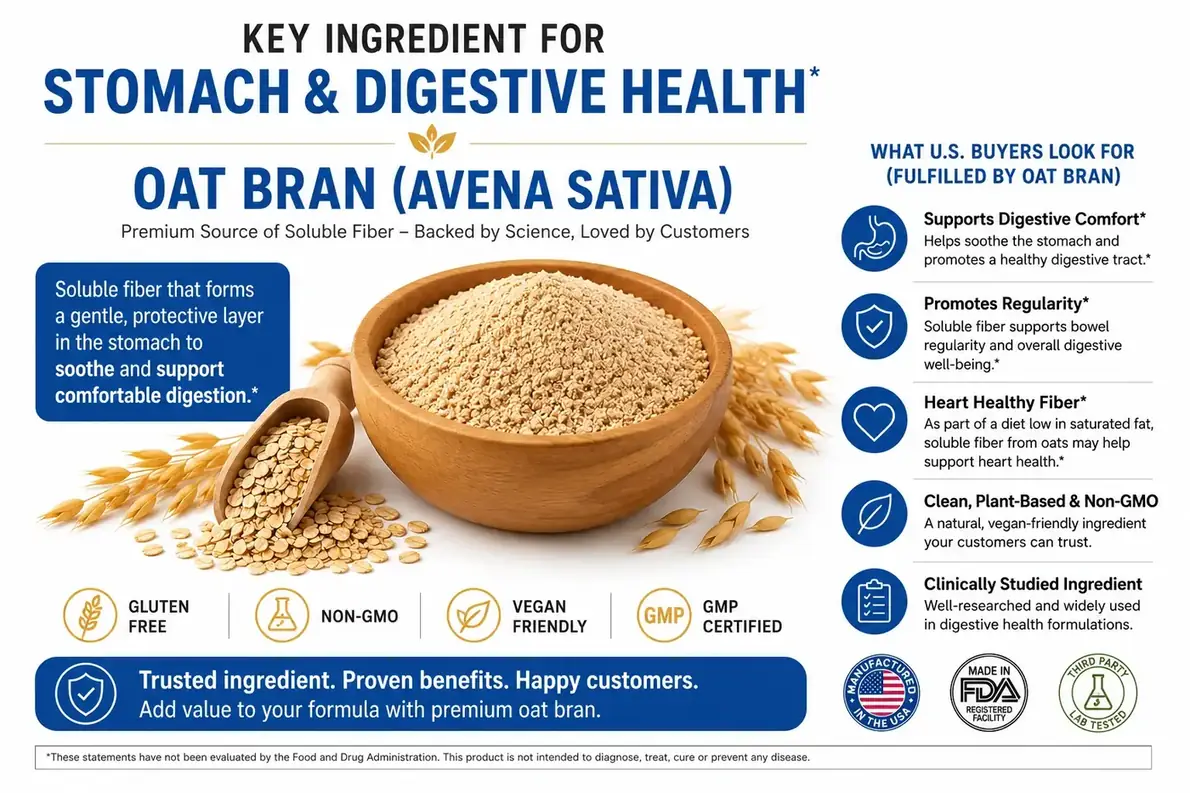
FloraNew is a once-daily, delayed-release fibre capsule built around soluble fibres like oat bran and apple pectin — a low-drama way to support your everyday microbiome. See the current official-store pricing and the 60-day guarantee, then judge it on what it actually is.
Get OfferCranberry vs D-mannose vs probiotics: a fair comparison
Shoppers often treat these three as rivals fighting for one slot in the cabinet, but they act on different proposed mechanisms, so the smarter framing is a comparison, not a contest. Many women who take prevention seriously end up using more than one.
| Approach | Proposed mechanism | How to read the evidence |
|---|---|---|
| Cranberry (A-type PACs) | May reduce bacterial adhesion to the urinary tract lining, broadly | 2023 Cochrane review: modest reduction in recurrent UTIs; dose and PAC content matter |
| D-mannose (a simple sugar) | Thought to bind E. coli specifically so it is flushed out | Promising early data, smaller and less mature than cranberry; well tolerated |
| Probiotics (vaginal Lactobacillus) | May support protective, acid-producing flora | Strain-specific and promising, not yet definitive |
| Hydration & habits | More frequent flushing of the tract | Simple, low-risk, supported for many women |
If you want the deeper dive on the sugar-based option, our companion article on whether D-mannose works for UTIs walks through the trial evidence in detail. And because the microbiome angle is a genuinely separate lever, it is worth reading how the evidence on probiotics for UTI prevention in women actually stacks up before you assume any single product does everything.
Objection 1: “Isn't cranberry just an old wives' tale?”
It is a fair suspicion, because for years the evidence genuinely was shaky — and honest coverage should admit that. The turning point was methodological. Early studies were small, used weak juice doses, and suffered high dropout, which is why they produced a muddle. As trials moved to standardized products with measured PAC content and better designs, the signal firmed up enough for Cochrane to conclude there is a real, if modest, prevention benefit for recurrent UTIs in women. So the truthful verdict is neither "miracle" nor "myth". It is "a modest, real, dose-dependent nudge for the right person" — which is exactly the kind of unglamorous conclusion that good science tends to produce.
Objection 2: “Can't I just take it when symptoms start?”
This is the most important myth to retire, because it can cause harm. Cranberry is a prevention tool, taken consistently over time to reduce how often infections occur. It is not a treatment for an active infection, and reaching for a cranberry capsule instead of care when you have burning, urgency, cloudy urine, blood or fever is the wrong trade. Untreated urinary infections can climb toward the kidneys and become serious. If you have symptoms of an active UTI, contact a clinician — that advice does not change no matter how good your supplement is. Cranberry earns its place on the calm, symptom-free days, working quietly in the background.
Objection 3: “If it's natural, the dose doesn't matter”
Natural and dose-independent are not the same thing, and cranberry is a clean example of why. The difference between an effective and a useless cranberry product is almost entirely a dose-and-form question: enough standardized PAC, in a concentrated capsule, taken daily. A "natural cranberry gummy" with three grams of added sugar and no PAC figure is natural and, for this purpose, close to pointless. Treat the word "natural" as a starting point for questions, not as an answer to them.
Building a sensible, probiotic-first routine
Because the mechanisms differ, the most defensible prevention routine is layered rather than single-shot, and it is worth building it around your flora rather than around any one heroic pill. Start with the unglamorous basics that carry the least risk and some of the best support: drink enough water to keep urine pale and to flush the tract regularly, do not routinely hold urine for hours, and avoid the harsh, scented products and douching that disturb the vaginal environment. On top of that foundation, a standardized cranberry supplement adds a plausible anti-adhesion layer, and daily Lactobacillus support that helps maintain vaginal pH balance addresses the ecosystem side that cranberry does not touch. Fibre feeds the wider microbial community underneath all of it. None of these replace medical care, but together they give a recurrence-prone woman several small, low-risk levers to pull — which is usually how real prevention works.
Where FloraNew fits — and where it does not
To be straight about it: FloraNew is documented by its own published ingredient sheets as a soluble-fibre, cleanse-support capsule — the oat-bran and apple-pectin family — which makes it a prebiotic-leaning, fibre-first daily product rather than a cranberry pill or a strain-specific vaginal probiotic. Its FAQ separately mentions a probiotic blend, but without a genus, species, strain code or a dated CFU count, which is exactly the kind of unverified label pattern this article tells you to be cautious of. Read honestly, FloraNew is not a urinary-tract product and makes no UTI claim, and nothing here should be taken as one. Where it earns a fair look is as a simple once-daily fibre capsule to feed the microbial community you already have — a low-drama base layer, not a cranberry substitute. If your real question is urinary recurrence, buy a cranberry product on its PAC number and talk to your clinician; if it is everyday gut and flora upkeep, weigh FloraNew on what it actually is.
Related reading
- D-mannose for UTIs: does it actually work?
- Probiotics for UTI prevention in women: what the evidence says
- Uro-probiotics explained for women
- Vaginal health supplements: a buyer's guide
See the capsule in context
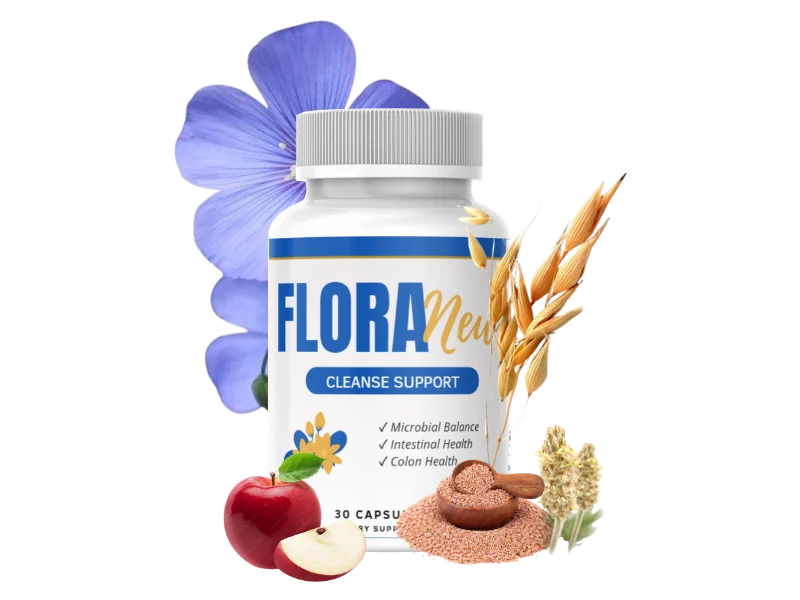
FloraNew is a once-a-day, delayed-release fibre capsule with a documented soluble-fibre base. Here is the current official-store pricing and the 60-day guarantee, so you can judge the product on exactly what it is.
Get OfferFrequently asked questions
Do cranberry pills prevent UTIs?
The best current evidence, including a 2023 Cochrane review, suggests cranberry products can modestly reduce how often UTIs recur in women who get them repeatedly. That is a prevention signal, not a guarantee, and it applies to standardized supplements with real PAC content rather than to sugary juice. Cranberry does not treat an active infection.
How much PAC should a cranberry supplement have?
Most studies that show a benefit use products standardized to about 36 mg of proanthocyanidins (PACs) per day. That standardization is the number that matters, so look for a stated PAC content on the label. A cranberry pill that lists only milligrams of fruit powder, with no PAC figure, cannot be matched to the research.
Is cranberry or D-mannose better for UTIs?
They work on different proposed mechanisms, so it is a comparison rather than a contest. Cranberry PACs may reduce bacterial adhesion broadly, while D-mannose is thought to bind E. coli specifically. Both have promising but limited prevention evidence in women, and neither one replaces medical care for an infection you already have.
Can I take cranberry and probiotics together?
Yes. They target different parts of the picture, cranberry PACs on adhesion and Lactobacillus probiotics on protective flora, so many women use them together as part of a prevention routine alongside hydration. As always, check with your clinician first if you are pregnant, on medication or managing a health condition.