Best Probiotics for Vaginal Health (2026 Guide)
What are the best probiotics for vaginal health in 2026?
The best probiotics for vaginal health are not a brand name but a checklist: named, studied strains, a CFU count guaranteed at expiry, and a delivery format that survives stomach acid. Score every bottle on those three points and daily consistency, and the crowded shelf sorts itself out quickly.
- Strains first: look for L. rhamnosus, L. reuteri, L. acidophilus or L. crispatus by full name.
- Dose that is real: 10 to 50 billion CFU guaranteed at expiry, not at manufacture.
- Survivable delivery: shelf-stable or delayed-release so the bacteria arrive alive.
Search for the best probiotics for vaginal health and you will find a hundred ranked lists that all disagree, most of them written by people paid to put one bottle at the top. This 2026 guide takes the opposite approach. Instead of crowning a single winner, it hands you the same scoring rubric a careful pharmacist would use, so you can walk any aisle or any checkout page and separate a product built on evidence from one built on packaging. By the end you will be able to grade any bottle in under a minute, which is a far more durable skill than memorising this year's rankings.
The reason a rubric beats a ranking is simple: the probiotic market changes formulas constantly, brands get acquired, and last year's "best" is often this year's reformulated disappointment. What does not change is the underlying science of the vaginal microbiome and the four label facts that actually predict whether a product can do what the studies describe. Learn the criteria once and you are covered for every future purchase.
What actually makes a probiotic "best" for vaginal health
Marketing wants you to judge probiotics on the wrong things: the biggest CFU number on the front, the longest strain list, the prettiest bottle, the boldest promise. None of those four things reliably predicts benefit. The variables that genuinely matter are narrower and less glamorous, and the entire rest of this guide is built around them.
Here is the honest rubric in plain language. A product earns points for clinically studied strains named down to the strain code, for a verified CFU count that is guaranteed at expiry, for a delivery format designed to survive the stomach, and for being something you can realistically take every single day. Miss any one of those and the others cannot compensate. A perfect dose of an unnamed strain is a mystery; a famous strain that dies in stomach acid is a receipt for dead bacteria; a flawless capsule you abandon after two weeks does nothing at all.
Criterion one: clinically studied strains
This is the single biggest filter, because probiotic effects are strain-specific. A benefit shown for one named strain does not transfer to a different strain of the same species, and it certainly does not transfer to the genus Lactobacillus as a whole. The strains that recur throughout the female urogenital literature are specific, coded organisms, and four names come up again and again:
- Lactobacillus rhamnosus — the GR-1 strain in particular is among the most studied for supporting vaginal flora, usually alongside L. reuteri.
- Lactobacillus reuteri — the RC-14 strain is the classic research partner to GR-1 and appears in much of the oral-route work.
- Lactobacillus acidophilus — a long-standing, widely studied species associated with lactic-acid production.
- Lactobacillus crispatus — increasingly the strain researchers point to, because a crispatus-dominant community is linked to a stable, protective vaginal environment.
The practical test is a label test. A credible product names the genus, the species, the strain designation and the dose. A bottle that says only "Lactobacillus blend for women" has given you none of those, and there is no way to connect it to any trial. If you want the deeper version of this, our breakdown of the best-studied probiotic strains for women's health in 2026 walks through each strain and what it was actually studied to do. No strain code, no claim.
Criterion two: effective dose beats raw strain count
One of the most persistent myths in this category is that more strains means more benefit. It does not. A label boasting "15 strains, 100 billion CFU" looks impressive and tells you almost nothing, because the number that matters is whether each individual strain is present at a dose that matches its own research. Spread a token amount of a dozen unnamed strains across a capsule and you may have nothing at a meaningful dose for any of them.
The better mental model is to count the evidence, not the strains. A single well-studied strain dosed at the level used in its trials can be a smarter choice than a crowded blend of a dozen strains at amounts too small to matter. When you compare two bottles, the question is never "which has more strains?" but "which names strains I can look up, at doses I can verify?" That reframing alone will eliminate most of the products fighting for the top of the generic rankings.
Criterion three: verified CFU, guaranteed at expiry
CFU — colony-forming units — is the count of live bacteria in a serving, and it is where the sharpest trick in the industry lives. Most studied products for the vaginal environment land somewhere in the 10 to 50 billion CFU per day range, and pushing far past that has no proven advantage. The far more important detail is when the count is measured.
Live bacteria die over time. A bottle can honestly print "50 billion CFU" if that was the count on the day it was manufactured, even if only a fraction survives by the time it reaches your bathroom shelf months later. The gold standard is a count guaranteed through the printed expiry date, because that is the number you actually swallow. If a label only promises CFU "at time of manufacture," treat the headline number with suspicion. For the full picture of how these numbers work, see our guide to how many CFU a woman's probiotic really needs, which explains why the expiry guarantee matters more than the front-of-bottle boast.
Criterion four: delivery survival
A probiotic is only as good as the number of bacteria that survive the journey. Stomach acid is a genuine obstacle, and a plain capsule of delicate strains can lose a large share of its count before it ever reaches the gut, where oral strains have a chance to act and, for some strains, to reach the vaginal area. Two features improve the odds: shelf-stability, so the count holds without refrigeration, and delayed-release delivery, so the capsule opens lower in the digestive tract rather than in the acid bath of the stomach.
This is not marketing fluff; it is the difference between a live dose and a dead one. If you want to understand the mechanics, our explainer on whether delayed-release capsules actually survive stomach acid covers what the format can and cannot do. When you score a bottle, a shelf-stable, delayed-release format earns real points; a fragile capsule that needs perfect storage loses them.
Score a real product against the rubric
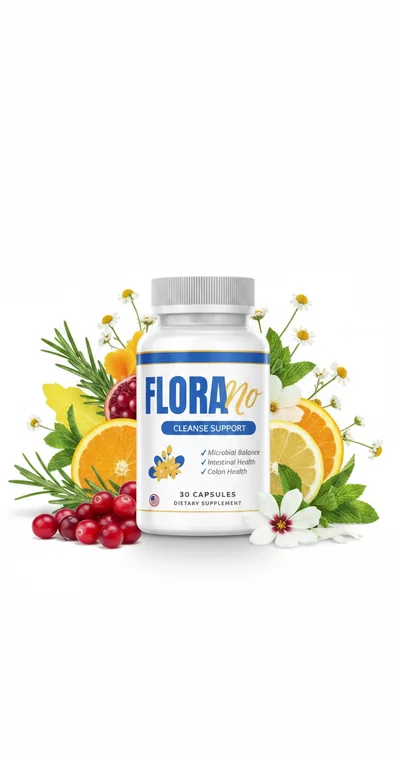
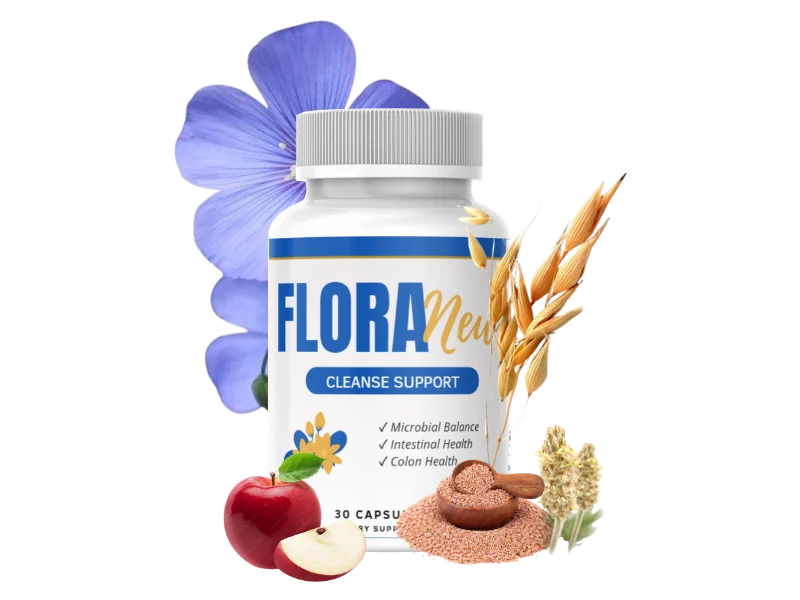
FloraNew is a once-a-day delayed-release capsule with a documented fibre base and a listed probiotic blend. See the current official-store pricing and 60-day guarantee, then grade it on the four criteria above for yourself.
Get OfferOral daily capsules versus suppositories
A fair guide has to address format, because "vaginal probiotic" can mean two very different things. Some strain research uses vaginal suppositories so the organisms arrive exactly where the protective flora lives, which can mean a more direct route. Other work uses oral capsules on the reasoning that certain strains can transit the gut and reach the vaginal area, offering the convenience of a pill you take with breakfast.
Neither is universally "better." Suppositories may act more directly for some goals but are less convenient and harder to sustain daily. Oral daily capsules are easy to keep up for the weeks or months that matter, and consistency is itself one of the four criteria. The honest answer is that a claim borrowed from a suppository study does not automatically apply to an oral capsule of the same strain, so match the product to the format the research used, and choose the one you will actually take every day.
Addressing three common myths
Myth one: the highest CFU number wins. As covered above, a huge count measured at manufacture can decay to very little by expiry, and beyond the studied range there is no proven bonus. The expiry-guaranteed count beats the headline every time.
Myth two: more strains means more coverage. A long strain list is a marketing flourish, not a benefit. One named strain at its studied dose can outperform a dozen unnamed strains at token amounts. Count the evidence.
Myth three: probiotics work overnight. They do not. The studies that report changes in vaginal flora run over weeks, so a fair trial is four to twelve weeks of daily use, and the effect fades when you stop. Any product promising instant results is a red flag, not a recommendation. Understanding the way flora shifts pH over time — covered in our piece on probiotics and vaginal pH balance — makes it obvious why patience is part of the method.
Two adjacent questions round the rubric out. The underlying route from a swallowed capsule to the vaginal microbiome is worth reading once in full, and how vaginal probiotics actually work lays it out. The most searched use case, meanwhile, is recurrence after a yeast infection, and whether probiotics help with yeast infections is where the Candida evidence is weighed.
The 2026 scoring rubric at a glance
Here is the whole guide compressed into a table you can carry into any purchase. Give each row a simple pass or fail, and only buy products that pass all four.
| Criterion | What "best" looks like | What to reject |
|---|---|---|
| Studied strains | Named to strain code: L. rhamnosus, L. reuteri, L. acidophilus, L. crispatus | "Probiotic blend" with genus only, no species or code |
| Effective dose | Each named strain dosed near its research level | Long strain list at token, unstated amounts |
| Verified CFU | 10 to 50 billion, guaranteed at expiry | Big number, "at time of manufacture" only |
| Delivery survival | Shelf-stable and/or delayed-release | Fragile capsule, no acid-survival design |
| Consistency | Once-daily format you will actually keep up | Complex regimen you will abandon in two weeks |
Where a fibre-first product like FloraNew fits
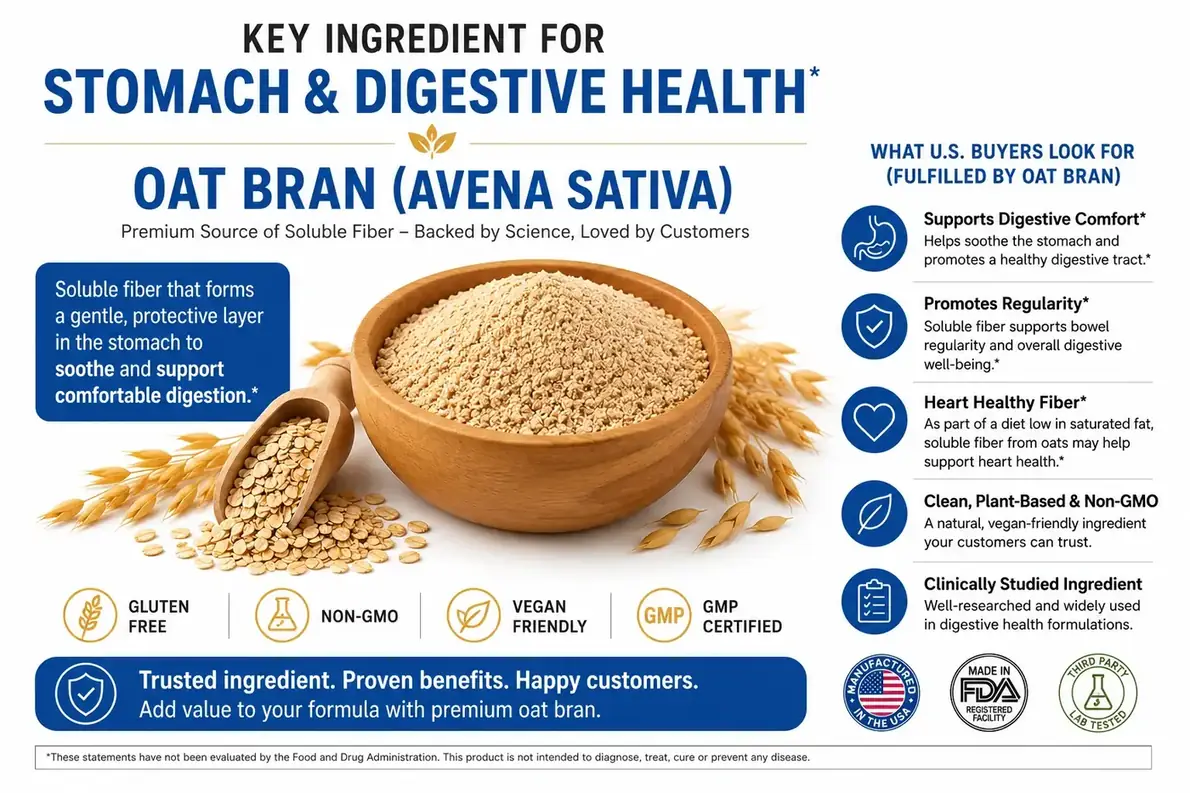
It is only fair to be clear about where FloraNew sits against this rubric, because it is not the same kind of product as a strain-specific vaginal probiotic. FloraNew's own published ingredient sheets document soluble fibres such as oat bran and apple pectin, which makes it a prebiotic-leaning, fibre-first daily capsule in a delayed-release format. Its FAQ separately lists a probiotic blend, but without a genus, species, strain code or CFU count — which is exactly the label pattern this guide tells you to treat as unverified on the strain criterion.
Read honestly, that means FloraNew scores well on delivery format and daily convenience, and it makes no vaginal-health claim we would repeat. If your real goal is feeding the flora you already have with a simple once-daily fibre capsule, it is a reasonable, low-drama option to weigh. If your goal is a strain-specific vaginal probiotic matched to the research, apply the rubric strictly to every bottle, FloraNew included, and buy only what passes. That is the whole point of a rubric: it does not play favourites.
Related reading
- Vaginal probiotics: how they actually work
- The best-studied probiotic strains for women's health in 2026
- Probiotics and vaginal pH balance for women
- How many CFU does a woman's probiotic need?

Put the rubric to work
Now that you can grade any bottle on strains, dose, CFU and delivery, see how FloraNew's once-daily delayed-release capsule is priced and backed by its 60-day guarantee.
Get OfferFrequently asked questions
What is the best probiotic for vaginal health in 2026?
There is no single winner for everyone. The best probiotic for vaginal health in 2026 is the one that names specific studied strains such as L. rhamnosus, L. reuteri, L. acidophilus or L. crispatus, guarantees a 10 to 50 billion CFU count through the printed expiry date rather than at manufacture, and uses a delivery format built to survive stomach acid. Match those three things and you have narrowed the field far better than any brand ranking can.
Which probiotic strains support vaginal health the most?
The most studied strains for the female urogenital environment are Lactobacillus rhamnosus, Lactobacillus reuteri, Lactobacillus acidophilus and Lactobacillus crispatus. Effects are strain-specific, so a bottle that lists only the genus Lactobacillus, with no species and no strain code, cannot be matched to any of that research. Look for the full name and a documented dose.
How many CFU do I need in a vaginal probiotic?
Most studied products fall in the 10 to 50 billion CFU per day range, and more is not automatically better. The number that matters is the count guaranteed at the end of shelf life, not the higher count measured on the day it was made. A bottle that only promises CFU at manufacture may deliver far less by the time you swallow it.
How long until a vaginal probiotic starts working?
Probiotics are not fast-acting, and any product promising overnight results is overpromising. Studies that report changes in vaginal flora typically run over several weeks of consistent daily use, so a fair trial is usually four to twelve weeks. Consistency matters more than dose size, because the effect fades once you stop taking the strains.