Probiotics for Menopause Belly Fat & Weight Gain
Can probiotics help with menopause belly fat?
No supplement can promise fat loss, so probiotics are not a fix for menopause weight gain. Falling estrogen shifts fat to the midsection, while the gut's estrobolome helps recycle estrogen. Probiotics and fibre can support gut balance and reduce bloating, but real change hinges on protein, strength training and overall calories.
- The shift: postmenopausal women gain about 36% more trunk fat over five years.
- The gut link: the estrobolome recycles estrogen and shapes the gut environment.
- The real levers: protein, strength training, fibre and sleep move menopausal weight.
If you reached midlife doing all the things that used to keep your weight steady and watched it settle stubbornly around your middle anyway, you are not imagining it and you did not do anything wrong. The link between probiotics and menopause weight gain is one of the most searched questions in women's health for a reason: the belly change is real, it feels unfair, and the internet is full of supplements promising to melt it away. This article does the opposite of that. It explains honestly why the midsection changes, where gut bacteria genuinely fit, and why probiotics are a supporting piece rather than a solution.
Here is the promise and the limit up front. We will not tell you that a capsule burns belly fat, because none does, and any product implying it is overreaching. What we will do is map the biology — estrogen, visceral fat and the gut — and give you a realistic sense of what actually moves menopausal weight, so your money and effort go where the evidence points.
Why menopause moves weight to the belly
Through the reproductive years, higher estrogen tends to steer fat storage toward the hips and thighs — the classic "pear" pattern. As estrogen falls through perimenopause and after the final period, that steering changes. Fat starts to accumulate around the abdomen instead, including the deep visceral fat that wraps around the organs. It is the same body, often at a similar weight, redistributing where it stores energy.
The numbers are striking. Research tracking women through the transition has found that postmenopausal women gain roughly 36% more trunk fat and about 49% more intra-abdominal (visceral) fat over a five-year span compared with their premenopausal baseline. Two other forces stack on top: muscle mass naturally declines with age unless actively defended, which lowers the calories you burn at rest, and activity often quietly drops. Put those together and the midsection can expand even when the scale barely moves and your eating has not changed.
| Driver | What it does to the midsection |
|---|---|
| Falling estrogen | Redirects fat storage from hips/thighs toward the abdomen and organs. |
| Muscle loss (sarcopenia) | Lowers resting metabolism, making fat gain easier. |
| Reduced activity | Fewer calories burned; less stimulus to keep muscle. |
| Sleep & stress changes | Disrupted sleep and higher cortisol favour abdominal storage. |
It is worth knowing why the abdominal shift matters beyond how clothes fit. Visceral fat is metabolically active tissue, not inert padding, and carrying more of it is associated with a less favourable metabolic profile. That is precisely why the goal here is not a flat stomach for its own sake but a healthier body composition — and why it is worth doing the work with the levers that genuinely change it, rather than chasing a supplement that promises to skip the effort.
Where the gut and the estrobolome come in
This is where probiotics enter the conversation, and where it pays to be precise. Your gut hosts a collection of bacteria and bacterial genes nicknamed the estrobolome, which helps regulate how estrogen is recycled. Certain gut microbes produce an enzyme, beta-glucuronidase, that reactivates estrogen the liver had tagged for disposal, sending it back into circulation instead of out of the body. The composition of that microbial community therefore has a hand in how much estrogen you reabsorb.
During menopause, two things happen at once: ovarian estrogen falls sharply, and gut microbial diversity tends to decline with age. That makes the gut's role in estrogen handling proportionally more noticeable, even though it cannot replace what the ovaries no longer make. It is a genuine, mechanism-level connection between the microbiome and the hormonal shifts behind midlife weight change — and it is worth understanding properly through our deeper explainer on the estrobolome and how gut bacteria recycle estrogen. What it is not is a lever you can pull to command fat off your belly. The estrobolome influences estrogen in both directions depending on the person, which is exactly why honest coverage stops short of a weight-loss promise.
Support your gut through the menopause transition
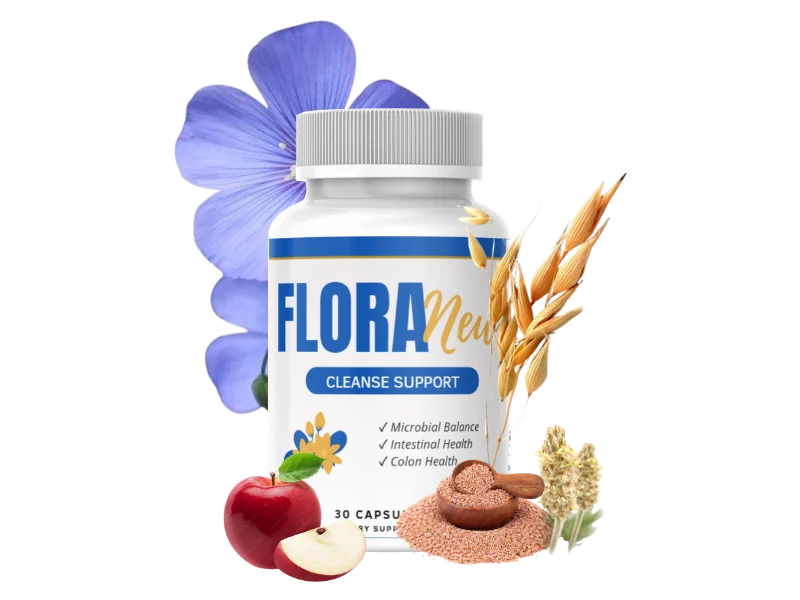
FloraNew is a once-daily, delayed-release, fibre-forward capsule. See the current official-store pricing and the 60-day money-back guarantee.
Get OfferWhat probiotics realistically do about menopause weight gain
Let us separate the plausible from the wishful. On the plausible side, supporting a balanced gut can help with digestion, regularity and bloating — and bloating is a big part of why the midsection can feel and look larger than the underlying fat alone would explain. A flatter, more comfortable belly from better digestion is a real, welcome quality-of-life change, and it is honest to describe it that way. Prebiotic fibre and probiotics also support the microbial diversity that the estrobolome depends on, which is a sensible background habit during a time of hormonal change.
On the wishful side sits the idea that a probiotic "targets belly fat" or "resets menopausal metabolism." It does not. The evidence for probiotics producing meaningful fat loss is thin, inconsistent and strain-specific at best, and none of it supports the dramatic before-and-after imagery these products are sold with. If a supplement's marketing leans on melting fat, treat that as a reason for skepticism, not excitement. The trustworthy framing is narrow and it is enough: probiotics are one supporting piece of gut health, not a weight-loss treatment.
It also helps to understand why the "gut equals weight" headlines overreach. Much of the research linking the microbiome to body weight comes from animal studies or small human trials, and the effects, where they exist, are modest and often specific to one strain in one population. Interesting science is not the same as a proven consumer result. The mature way to read it is that a healthier gut is part of a healthier whole — worth supporting for digestion, comfort and general wellbeing — while being clear-eyed that it will not out-muscle the hormonal and lifestyle drivers doing most of the work at the waistline.
Better digestion can make your belly feel lighter. That is a real benefit — and it is a different thing from burning menopausal fat, which no capsule does.
The levers that actually move menopause weight gain
If you want the midsection to genuinely change, the effort belongs here — and the good news is that these levers work with your changing physiology instead of against it:
- Protein at every meal. Aim to make protein the anchor of each plate. It protects muscle, keeps you fuller, and has the highest thermic effect of the three macronutrients.
- Strength training two to three times a week. Nothing else defends against age- and menopause-related muscle loss as directly. More muscle means a higher resting metabolism and better insulin sensitivity.
- Plenty of fibre and plants. Fibre feeds the microbiome, supports fullness, and helps carry deactivated estrogen out of the body — a rare habit that supports both the gut and hormone handling.
- Sleep and stress. Poor sleep and chronic stress raise cortisol, which specifically favours abdominal fat storage. This is not optional; it is a metabolic input.
- Overall calories and alcohol. Portion drift and daily wine add up faster than they used to when muscle mass and metabolism are lower.
Notice that probiotics do not make this list as a headliner — they sit quietly in the "fibre and plants" line as background support. That placement is the honest one. The mood and gut shifts of this life stage are their own topic, and if that is where you are feeling the change most, our piece on probiotics through perimenopause mood and gut changes goes deeper. For the broader question of which supplement category earns your money first, weigh up prebiotic fibre versus probiotics and which one you actually need.
Where FloraNew fits — and where it does not
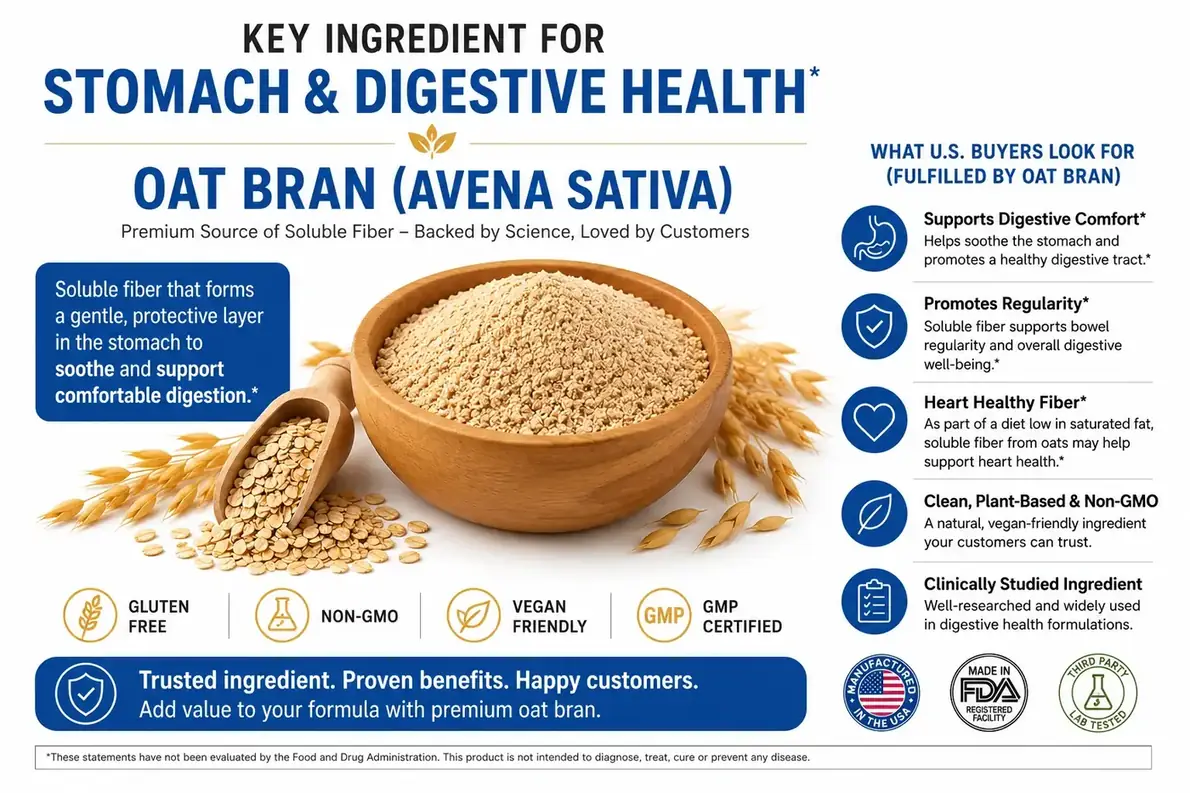
FloraNew is an oral, once-daily, delayed-release capsule, and its own published ingredient sheets describe a soluble-fibre formula built around inputs such as oat bran and apple pectin. That makes it a prebiotic-leaning, fibre-first product: its honest role during menopause is to feed the microbiome and support regularity, which can ease bloating and make the midsection more comfortable. Its FAQ separately references a probiotic blend, but does not name the genus, species, strain codes or a dated CFU count, so it should be read as a fibre-forward gut capsule rather than a strain-specific probiotic.
What FloraNew is not is a menopause weight-loss product. It does not burn belly fat, it does not restore estrogen, and no supplement can promise a particular weight result from adjusting the gut — the estrobolome moves in both directions, and the real drivers of the midsection are protein, strength training, sleep and overall calories. Read as a low-drama daily fibre capsule alongside those habits, its expectations are fair. Read as a shortcut around them, neither the label nor the science supports it. If weight change is a medical concern, that belongs with your clinician.
Related reading
- The estrobolome: how gut bacteria shape your estrogen
- Probiotics in perimenopause: mood and gut changes
- Probiotics and bone health in postmenopausal women
- Prebiotic fibre vs probiotics: which one do you need?

A fibre-forward capsule, backed for 60 days
FloraNew is a once-daily, delayed-release soluble-fibre capsule with a 60-day money-back guarantee. Check the current official-store pricing before you decide.
Get OfferFrequently asked questions
Can probiotics help with menopause belly fat?
Not directly, and no supplement can promise fat loss. Probiotics may support gut balance, digestion and reduced bloating, which can make the midsection feel and look more comfortable. Any real change in menopause belly fat depends far more on protein intake, strength training, sleep and overall calories, with probiotics as a small supporting piece.
Why does weight move to the belly during menopause?
Falling estrogen shifts where the body stores fat, moving it from the hips and thighs toward the abdomen. Research finds postmenopausal women gain roughly 36% more trunk fat and about 49% more intra-abdominal fat over five years. Age-related muscle loss and lower activity add to the effect, which is why the midsection changes even without eating more.
How do gut bacteria and estrogen affect midsection weight?
Gut bacteria known as the estrobolome help recycle estrogen through an enzyme called beta-glucuronidase. As estrogen falls and gut diversity declines with age, that recycling and the wider gut environment can shift. This is one plausible thread linking the microbiome to menopausal weight patterns, but it is a supporting influence, not the main driver of belly fat.
What should you combine with probiotics for menopause weight?
Pair any gut-support habit with the things that actually move the needle: adequate protein at each meal, regular strength training to protect muscle, plenty of fibre and plants, good sleep and managed stress. Probiotics and prebiotic fibre support the gut environment in the background, but the lifestyle basics do the heavy lifting for menopausal weight.