Probiotics in Perimenopause: Mood and Gut Changes
Do probiotics help in perimenopause?
Perimenopause changes both digestion and mood as estrogen fluctuates, and the two are linked through the gut-brain axis. Some early psychobiotic research suggests certain probiotic strains may support mood, but the evidence is preliminary and strain-specific. Probiotics are not a treatment for menopausal symptoms — think of them as one modest, low-risk input.
- What shifts: falling, swinging estrogen alters gut motility and the microbiome.
- The link: the gut-brain axis connects digestive changes to mood and stress.
- The evidence: psychobiotic effects are strain-specific, small and still early.

What perimenopause actually is
Perimenopause is the transition into menopause, and it is defined by change rather than by any single hormone level. For most women it begins in the early-to-mid forties, though it can start earlier or later, and it can run for several years before the final menstrual period. The defining feature is variability: estrogen does not simply decline in a straight line, it lurches up and down, and progesterone tends to fall away first. It is that instability — not a tidy, low set point — that drives most of what people notice.
That framing matters, because it explains why symptoms can arrive while periods are still more or less regular, and why they can be so inconsistent from month to month. The gut is one of the systems that feels this, alongside the sleep, temperature and mood changes that get more attention.
Why digestion shifts
The intestine is a muscular tube, and estrogen and progesterone both act on smooth muscle and on the nerves that control it. When those hormones swing, so does motility — the speed and rhythm with which contents move through you. Some women find transit slows and constipation and bloating become more common; others swing the other way, or bounce between the two. Progesterone in particular has a relaxing effect on gut muscle, so as it drops the picture can change again.
There is a second mechanism underneath the first. The gut microbiome is not hormone-neutral. A subset of gut bacteria, sometimes called the estrobolome, produces enzymes that recycle estrogen in the gut, and the community as a whole shifts as circulating estrogen falls. A changed community ferments food differently, which can mean more gas, altered stool consistency and a different sense of comfort after meals. None of this is disease; it is the ordinary biology of a system in transition. But it is real, and it is not imagined.
The gut-brain axis, and why mood enters the conversation
The gut and the brain talk to each other constantly, through the vagus nerve, through immune signalling, and through molecules that gut bacteria produce — short-chain fatty acids from fibre fermentation, and precursors involved in neurotransmitter pathways. This two-way traffic is what people mean by the gut-brain axis. It is a genuine and active field of research, and it is the reason a change in the gut is plausibly connected to a change in how you feel.
Perimenopause sits right at that intersection. Fluctuating estrogen affects mood directly, sleep disruption affects mood, and digestive discomfort affects mood; and all three feed back into the gut. So when a woman in perimenopause reports that her stomach and her state of mind are both unsettled at once, that is not two coincidences. It is one interconnected system under load.
What is a psychobiotic, and what does the evidence show?
The word psychobiotic was coined for a probiotic or prebiotic that is proposed to influence mood, stress or thinking through the gut-brain axis. It is a research term, not a health claim and not a regulatory category. Some small, short trials of specific strains — certain Lactobacillus and Bifidobacterium species are the usual candidates — have reported modest reductions in self-reported stress or improvements in mood scores. Some meta-analyses are cautiously positive; others find the effect shrinks as study quality rises.
Two honest caveats have to travel with those findings. First, the effect, where it appears, is generally small, and it is measured on questionnaires in healthy or mildly stressed people, not on clinical depression or anxiety. Second, and most importantly, it does not generalise. A result for one named strain at one dose tells you nothing about a different strain, and nothing at all about “probiotics” as a word. Very little of this research has been done specifically in perimenopausal women, so applying it to that stage is an extrapolation, not a proven use.
A psychobiotic effect, if it exists, belongs to a specific strain at a specific dose. It is never a property of the word “probiotic” on a box.
A sensible, honest way to think about it
If you are in perimenopause and considering a probiotic for gut comfort and, hopefully, a knock-on steadiness of mood, the reasonable framing is this: it is a low-risk experiment with a modest possible upside, not a fix. A few practical points make that experiment fairer to itself.
| Lever | What to actually expect |
|---|---|
| A named-strain probiotic | Possible modest help with regularity or comfort; mood effects uncertain and small. |
| Dietary fibre and fermented foods | Broader, better-established support for the microbiome; feeds what you already have. |
| Sleep, movement, stress load | Large, well-evidenced effects on both gut and mood in this stage of life. |
| A clinician | The right first stop for persistent low mood, heavy bleeding or severe symptoms. |
Give any single change a fair run — several weeks, not several days — and change one thing at a time so you can tell what did what. Introduce fibre gradually and with enough water, because a sudden jump is the classic route to a bloated first week, which is the opposite of the point.
And keep the guardrail in view: probiotics are food-category products, not medicine. Persistent low mood, anxiety that interferes with daily life, or new and severe digestive symptoms are reasons to speak to a doctor, not reasons to buy another jar. Nothing here is medical advice.
Where FloraNew fits
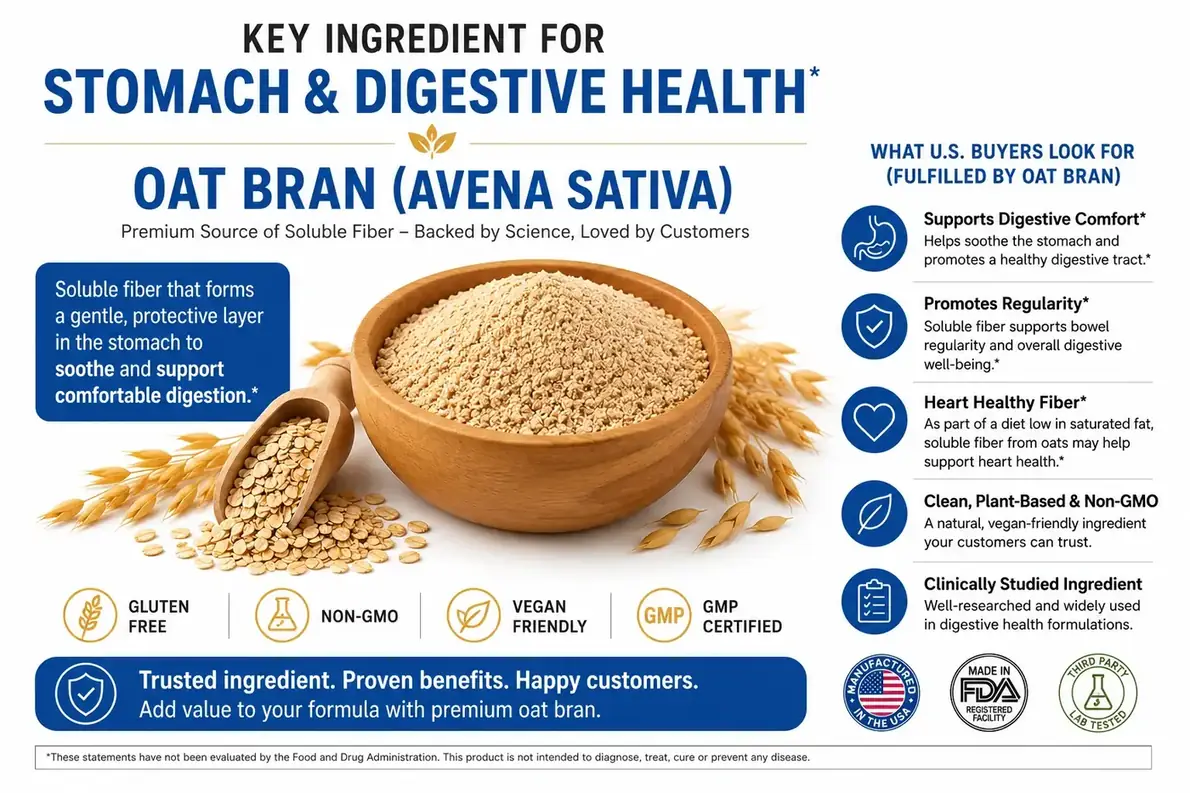
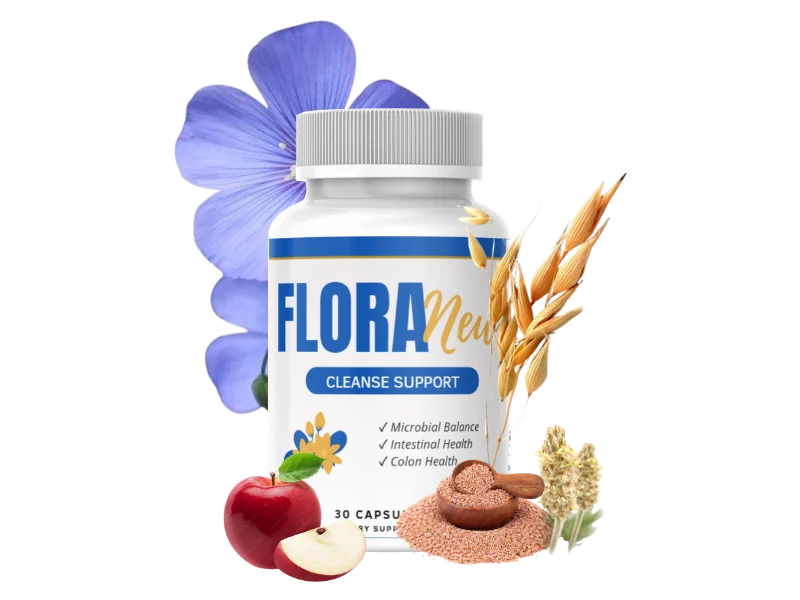
FloraNew is documented by its own ingredient sheets as a soluble-fibre capsule — the kind of prebiotic input that feeds the bacteria you already carry, which is a reasonable thing to want during a transition when the microbiome is shifting. Its marketing also references a probiotic blend, but the label we can see does not name a genus, species, strain or CFU count, and without those a strain-specific mood or gut claim cannot be verified from the outside. Read FloraNew as a fibre product and the expectations are fair; read it as a psychobiotic and the label does not carry the claim. For the wider distinction, see our piece on prebiotic fibre versus probiotics.
Perimenopause is also where two longer-horizon questions start. Bone turnover accelerates as estrogen declines, and what the gut-bone axis trials show about probiotics and bone density after menopause is the evidence worth reading before anyone sells you a bone supplement. Body composition shifts at the same time, which is the subject of probiotics, menopause belly fat and weight gain.
See the capsule in context
FloraNew is a once-a-day delayed-release fibre capsule. Here is the current official-store pricing and the 60-day guarantee.
Get OfferRelated reading
Frequently asked questions
Why does digestion change in perimenopause?
Estrogen and progesterone influence how fast the gut moves and how the muscle wall of the intestine contracts. As those hormones swing and then decline through perimenopause, many women notice slower transit, more bloating, or a shift between constipation and looser stools. The composition of the gut microbiome also changes with falling estrogen, which can alter how food is fermented and how much gas is produced.
Can probiotics help perimenopausal mood?
The honest answer is that the evidence is early and mixed. Some small trials of specific probiotic strains report modest improvements in mood or stress scores through the gut-brain axis, but results do not generalise across strains and the effects seen are usually small. Probiotics are not a treatment for depression or anxiety, and persistent low mood in perimenopause deserves a conversation with a clinician rather than a supplement.
What is a psychobiotic?
A psychobiotic is a probiotic or prebiotic that, in adequate amounts, is proposed to influence mood, stress or cognition through the gut-brain axis. It is a research term, not a regulatory category or a promise. Any psychobiotic effect belongs to a specific named strain studied at a specific dose, and most of the work so far is preliminary and done in small groups.
When does perimenopause affect the gut?
Perimenopause can begin in the early-to-mid forties and last several years before the final period, though timing varies widely. Digestive changes can appear early, when hormone levels are still fluctuating rather than only after they fall, because it is the variability itself that unsettles motility and the microbiome. Symptoms often ease again once levels stabilise after menopause.