Probiotics for Bacterial Vaginosis: What Works
Do probiotics for bacterial vaginosis actually work?
Probiotics for bacterial vaginosis are studied as support, not a standalone cure. Specific Lactobacillus strains such as L. rhamnosus GR-1 and L. reuteri RC-14 may help maintain an acidic vaginal pH and reduce recurrence when used alongside a clinician's prescribed treatment. BV still needs a proper medical diagnosis first.
- Evidence-backed strains: L. rhamnosus GR-1 and L. reuteri RC-14 carry 30+ years of vaginal-health research.
- Adjunct, not replacement: reviews study them alongside metronidazole or tinidazole, mainly to cut recurrence.
- Diagnosis first: BV symptoms overlap with other conditions, so a clinician should confirm it.
If bacterial vaginosis keeps coming back, you have probably typed probiotics for bacterial vaginosis into a search bar late at night, hoping a capsule might finally break the cycle. It is one of the most searched women's-health questions for a reason. BV is the most common vaginal condition in women of reproductive age, it returns in a large share of cases, and the standard antibiotics do not always keep it away for good. So the honest question — do probiotics for bacterial vaginosis actually work — deserves an honest, evidence-based answer rather than a marketing slogan.
The short version: some named Lactobacillus strains have real, decades-long research behind them, but that research frames them as support that sits beside medical care, not as a cure that replaces it. The longer version, below, is worth ten minutes because it will change how you read a probiotic label forever.
What bacterial vaginosis actually is (and why a diagnosis comes first)
Bacterial vaginosis is not an infection you catch so much as an imbalance you tip into. In a healthy vaginal environment, protective Lactobacillus bacteria dominate and keep the space acidic. In BV, that dominance slips and a mix of other anaerobic bacteria overgrows, often producing a thin discharge and a distinctive odour and nudging the vaginal pH above its normal range. It is common, it is not a reflection of hygiene, and it is very much a medical matter rather than a lifestyle failing.
Here is the part no supplement page should skip: BV symptoms overlap with yeast infections, trichomoniasis and other conditions that are managed very differently. Guessing wrong wastes time and can let the real issue progress. That is why the first move is always a clinician's diagnosis, not a capsule. Everything you read here about probiotics for bacterial vaginosis assumes you have that diagnosis in hand, or are getting one. Probiotics are the support conversation; they are not the front door.
Why "probiotics for bacterial vaginosis" became a research question
The logic that launched all this research is clean and mechanistic. If BV is defined by a loss of protective Lactobacillus, then the obvious scientific question is whether restoring or reinforcing those bacteria can help the environment recover and stay recovered. That is not a fringe idea; it is the natural hypothesis that follows from the biology.
Lactobacillus species earn their protective reputation in a few concrete ways. They ferment sugars into lactic acid, which keeps the vaginal pH in its normal acidic band of roughly 3.8 to 4.5 — an environment the BV-associated bacteria find hostile. Many strains also produce bacteriocins and other antimicrobial compounds that directly crowd out competitors, and some produce hydrogen peroxide. Put simply, a Lactobacillus-dominant space is a self-defending space, and BV is what happens when those defences thin out. If you want the deeper version of the pH story, our guide to the strains women's-health research keeps returning to walks through the mechanism strain by strain.
The strains with real BV evidence
This is where careful shopping saves you money and disappointment, because probiotic evidence does not generalise. A result for one precisely named strain belongs only to that strain — it does not transfer to a cousin that shares a species name, and certainly not to the genus Lactobacillus as a whole. So when we ask which strains have real BV evidence, we mean specific, coded organisms.
The pair that dominates the women's urogenital literature is Lactobacillus rhamnosus GR-1 and Lactobacillus reuteri RC-14. Together they carry more than thirty years of published vaginal-health research, studied for their ability to survive digestion, reach the relevant tissues and support a Lactobacillus-friendly balance. Other vaginal strains, including some L. crispatus work, appear in smaller studies too. The through-line is that these are named, testable strains at stated doses — not a vague “Lactobacillus blend for women.”
“Contains Lactobacillus” on a BV product tells you about as much as “contains protein” on a food label. The evidence, if there is any, lives two levels further down in the strain code and the dose.
What systematic reviews actually found
When researchers pool the trials, a consistent and modest picture emerges. Systematic reviews generally examine Lactobacillus as an adjunct — something taken alongside or just after standard antibiotics such as metronidazole or tinidazole — rather than as a replacement for them. The most reported benefit is not a faster initial cure but a lower rate of recurrence over the following one to three months, which matters enormously to the women whose real problem is BV coming back again and again.
Two other findings deserve equal billing. First, safety has looked reassuring: the studies have not reported serious adverse effects from these Lactobacillus strains, which is part of why clinicians are comfortable discussing them. Second, the evidence is promising rather than airtight — trials vary in strain, dose, delivery route and quality, so reviewers describe the signal as encouraging but not definitive. The honest reading holds both ideas at once: there may be a real recurrence benefit here for specific strains used as support, and it is not a guarantee.
Read the label the way the research does
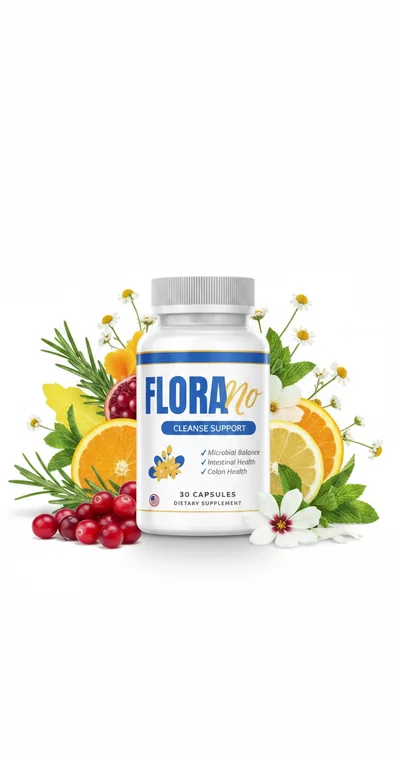
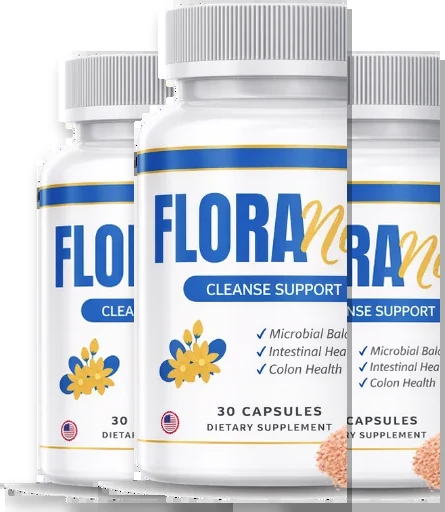
FloraNew is a once-a-day delayed-release capsule built around soluble fibre with a probiotic component. See the current official-store pricing and the 60-day guarantee, then judge it on what the label actually specifies.
See FloraNew & PricingThree myths worth clearing up
Myth 1: “A probiotic can replace my antibiotics.” It cannot, and the research never claims it can. Every supportive study pairs the probiotic with treatment or follows a treated course. Stopping a prescribed medication early because you feel better is how recurrence — and antibiotic resistance — get a foothold. Finish the course.
Myth 2: “More strains and a bigger CFU number mean a better BV product.” A towering colony-forming-unit count and a dozen unnamed strains look impressive and prove nothing. What matters is whether the specific strains with vaginal-health research are named and dosed at a level matching that research. One well-studied strain at the right dose beats a crowded label every time.
Myth 3: “Eating yoghurt is the same thing.” Food-grade fermentation cultures are lovely for general gut variety, but they are usually not the coded vaginal strains studied for BV, and the doses are not comparable. Yoghurt is food, not a targeted flora product. If a strain-specific effect is what you are after, yoghurt is not the delivery system the trials used.
How to read a probiotic label for BV support
Turn the bottle over and look for four things in order: the genus, the species, the strain code and the CFU dose, ideally guaranteed through the end of shelf life rather than only at manufacture. A full name reads like Lactobacillus rhamnosus GR-1 at a stated count. If the strain code is missing, you have no way to look up what the organism was actually studied to do, and the whole evidence base becomes inaccessible to you. No strain code, no claim. It really is that simple, and it filters out most of the shelf.
The same rule cuts the other way: a plain, honest fibre or prebiotic product that does not pretend to be a strain-specific BV treatment is not failing a test it never entered. It is just a different kind of product, and clarity about that is a feature, not a flaw. If you are weighing the two categories, our explainer on the difference between prebiotic fibre and probiotics lays out which job each one is built for.
Because a change in odour is often the first thing that sends someone looking for information about BV, it is worth separating the symptom from the diagnosis. Our piece on what probiotics realistically do about vaginal odour covers where the flora explanation stops and a clinician's assessment starts.
Where FloraNew fits in the BV conversation
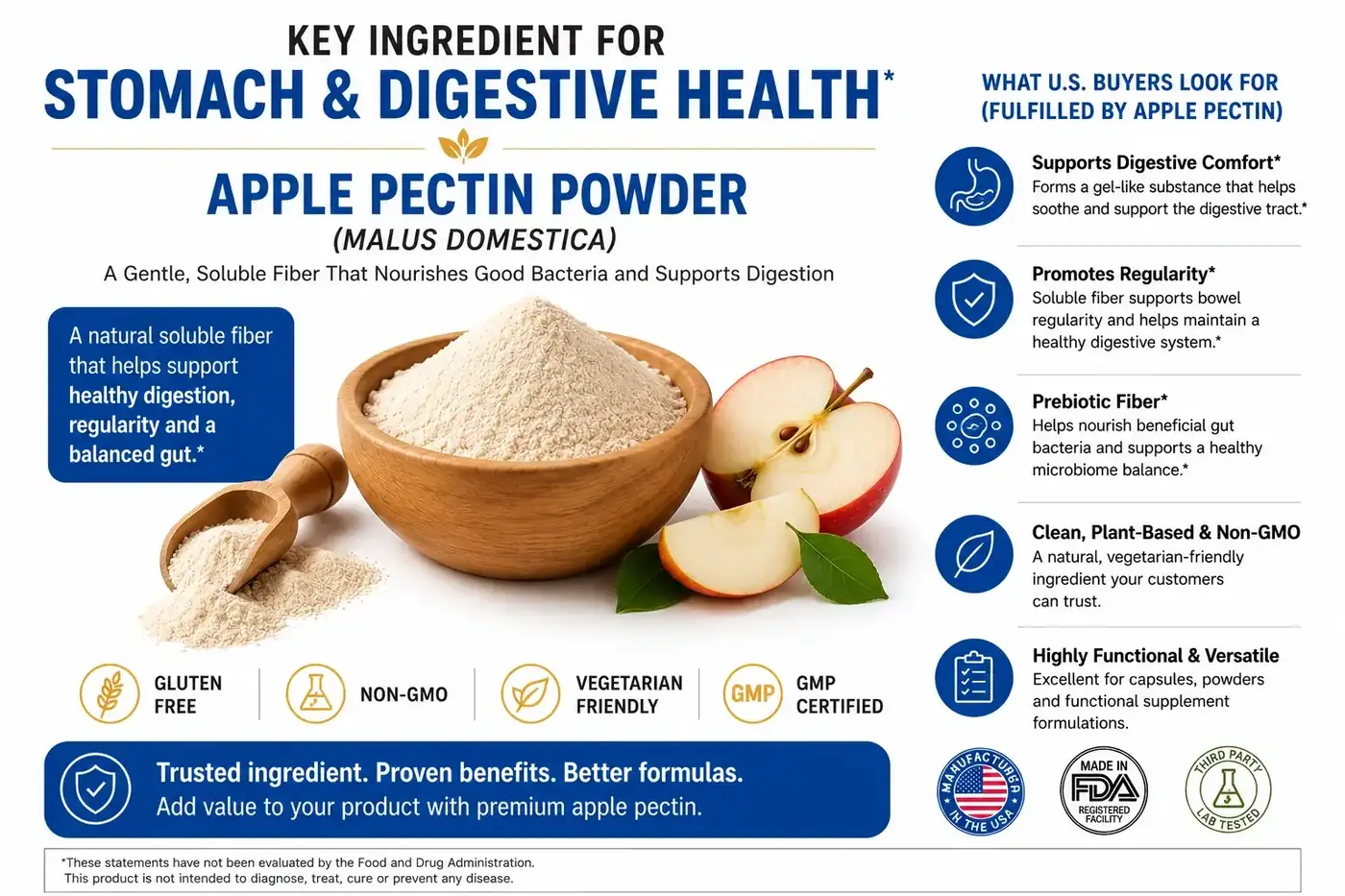
To be straight about it, the way this site always tries to be: FloraNew's own published ingredient sheets document a once-daily, delayed-release capsule built around soluble fibres such as oat bran and apple pectin, with a probiotic component noted in its FAQ. That makes it a fibre-first, prebiotic-leaning digestive product rather than a strain-specific vaginal treatment. Its materials do not publish the genus, species, strain code and CFU count you would need to line it up against the BV trials described above — which is exactly the label pattern this article says to read cautiously.
So the honest placement is this. FloraNew is not a bacterial-vaginosis medicine, it makes no BV claim, and nothing here should be read as one. Where a fibre-first daily capsule can reasonably fit is on the everyday-support side of the picture — feeding the broader microbial community you already have — while any BV symptom, diagnosis and treatment plan stays firmly with your clinician. If you want to see the product for what it actually is, the ingredient panel and guarantee are the right place to look, and they are one click away below.
Related reading
- Yeast infections and probiotics: do they actually help?
- Probiotics and vaginal pH balance in women
- Probiotics for UTI prevention in women: what the evidence says
- The best-studied probiotic strains for women's health in 2026
See the capsule in context
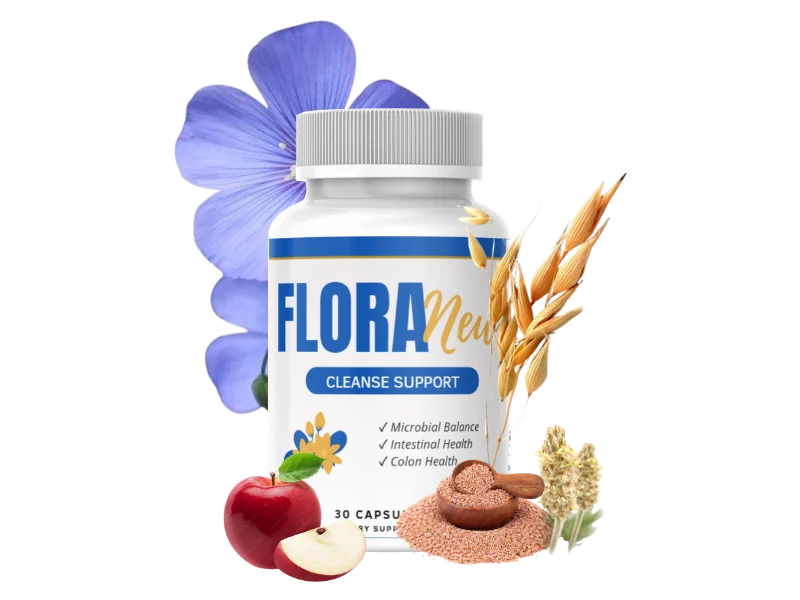
FloraNew is a once-a-day delayed-release fibre-and-probiotic capsule. Here is the current official-store pricing and the 60-day money-back guarantee, so you can judge the product on what it actually is.
Get OfferFrequently asked questions
Can probiotics cure bacterial vaginosis on their own?
No. Probiotics are studied as support alongside a clinician's diagnosis and treatment, not as a standalone cure. The strongest research uses Lactobacillus strains as an adjunct to prescribed antibiotics such as metronidazole or tinidazole, mostly to help reduce recurrence. If you have BV symptoms, get a proper diagnosis first rather than self-treating with a supplement.
Which probiotic strains have the strongest BV evidence?
The most studied strains for vaginal health are Lactobacillus rhamnosus GR-1 and Lactobacillus reuteri RC-14, which together carry more than thirty years of published research. Because probiotic effects are strain-specific, a product that only says Lactobacillus with no strain code and no CFU count cannot be matched to any of that evidence.
How long do you take probiotics for BV before seeing results?
Most studies that report a benefit run over roughly one to three months, often starting alongside or just after a course of antibiotics. Probiotics are not a same-day fix; the research frames them as ongoing support to help maintain a Lactobacillus-dominant environment and lower the chance of recurrence over time. Consistency matters more than any single dose.
Can you take probiotics alongside antibiotics for BV?
That is exactly how most of the research uses them, as an adjunct to metronidazole or tinidazole rather than a replacement. No serious adverse effects have been reported in these studies. Even so, tell your clinician what you plan to take, follow the full prescribed course, and never stop a medication early because you feel better.